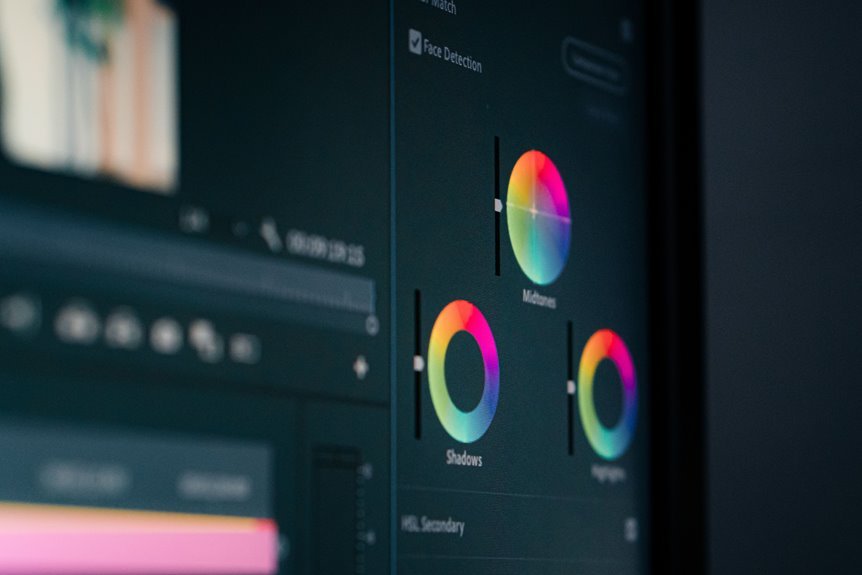

Video color correction is the method of aligning footage to a neutral baseline, balancing exposure, white, and color casts so shots match. It uses measurable tools—colorspaces, curves, and LUTs—to preserve realism while establishing consistency. It isn’t about style yet, but about truthfulness in image tone. The process demands precision, a repeatable workflow, and a method to diagnose common issues. The next step reveals how to fix flaws and move toward a cohesive look that serves the story, with still more to explore.
What Color Correction Is (and Isn’t) in Video
Color correction is the process of adjusting the image’s color and tonal balance to reflect the intended look and preserve visual consistency across shots; it focuses on correcting exposure, white balance, and color cast before any creative grading or stylization. This practice encompasses Correcting color, Balancing white, exposure tweaks, Color grading, Color science, LUTs, Gamma vs. LUTs with analytical clarity.
The Essential Tools and Controls You’ll Use
The tools and controls used in color correction are the measurable levers that shape a shot’s truth and mood. Color grading calibrates intent across scenes, while workflow optimization keeps edits efficient. Color spaces define perceptual scope, and matching shots ensures coherence. Precision, not flourish, guides adjustments; technical choices become expressive choices, balancing consistency with creative freedom in a disciplined, cinematic workflow.
Fixing Common Issues: White Balance, Exposure, and Color Cast
Addressing white balance, exposure, and color cast is essential for establishing an accurate and credible image; misalignment in any of these areas can derail the viewer’s immersion before narrative and mood are established.
The discussion remains technical yet artistic, focusing on how proper white balance and calibrated exposure guide grading decisions, while mitigating color cast to preserve authentic skin tones and scene integrity.
A Simple, Repeatable Workflow for Any Project
A simple, repeatable workflow for any project centers on a disciplined sequence of steps that ensures consistency across scenes, lenses, and lighting conditions.
The approach contrasts color grading vs color management while clarifying tool roles.
It favors LUTs vs manual tweaks when appropriate, enabling reproducible results and efficient collaboration without sacrificing artistic intent or perceptual accuracy.
Quick Troubleshooting and Next Steps to Level Up
Quick troubleshooting in color correction focuses on rapid isolation of common pitfalls—exposure inconsistencies, unnatural skin tones, and frame-to-frame flicker—then applies targeted fixes that preserve artistic intent while restoring perceptual accuracy. This disciplined process contrasts color grading vs. color grading myths, clarifies scope of color timing, and guides deliberate practice toward consistent, cinematic results without sacrificing creative freedom.
Frequently Asked Questions
How Does Color Correction Affect Storytelling and Mood?
Color correction shapes story mood by aligning luminance and color balance to reinforce narrative tone; it subtly guides viewers’ emotional response, supporting pacing and emphasis. This technical adjustment influences style, cadence, and the audience’s perceptual freedom within the scene.
What’s the Difference Between Color Grading and Color Correction?
Color correction refines luminance, white balance, and exposure; color grading adds stylistic latitude, tone, and mood. Together they harmonize a scene, with correction grounding reality while grading embellishes vision—two tools composing narrative atmosphere.
Can You Color Correct Without a Calibrated Monitor?
Yes, color correction is possible without a calibrated monitor, though results hinge on a color managed workflow and consistent monitor calibration practices to ensure consistent tonality across devices.
Which Formats or Codecs Impact Color Accuracy?
Formats codecs shape color fidelity; color spaces define intent and range. They influence gamut, bit depth, and metadata, affecting accuracy. The audience seeks freedom, yet precise choices—R3D, ProRes, DNxHR, PQ/HLG, BT.709/Rec.2020—control perceived color with disciplined suspense.
How Often Should I Calibrate My Editing Monitor?
Calibration frequency depends on workflow cadence; for demanding color work, monthly to quarterly checks are common. Calibration maintains monitor consistency, ensuring reliable, repeatable results in creative decisions while preserving artistic freedom within technical bounds.
Conclusion
In the vast orchestra of storytelling, color correction conducts with robotic precision and flamboyant subtlety. It jaguars light into alignment, tames unruly whites, and banishes color ghosts haunting footage. When done with method—balanced scopes, calibrated LUTs, repeatable steps—the image becomes a truthful stage where every pixel behaves. Misaligned, it trembles; perfected, it sings. This is not magic, but meticulously engineered perception: a relentless pursuit of tonal truth that elevates every frame to its highest cinematic potential.