
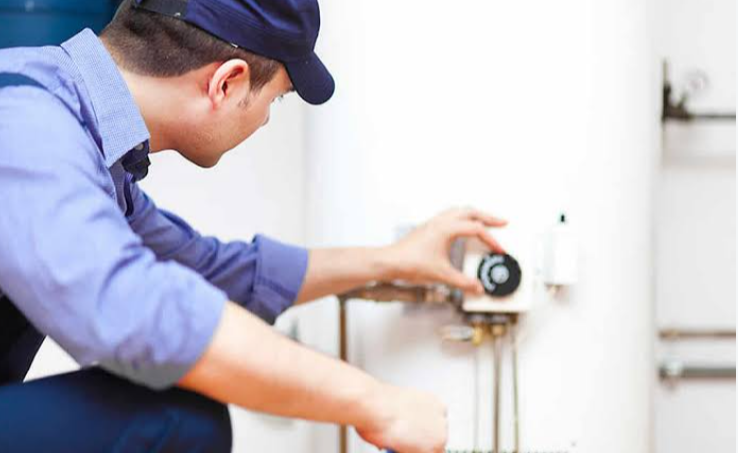

Houston’s established neighborhoods are full of homes with mature trees and plenty of character. They can also hide one of the most expensive systems in any house: the water supply lines running through the walls, attic, and slab. A standard home inspection spends only a few minutes on plumbing, and most of the piping is out of sight. A little extra attention before closing can save you from an unpleasant surprise in your first year of ownership.
Why Pipe Material Matters More Than Age Alone
The age of a house gives you a clue, but the type of pipe inside it tells you far more. Different materials fail in different ways, and some are known problems no matter how well the home has been maintained.
- Galvanized steel: Common in homes built through the mid twentieth century. It corrodes from the inside, which narrows the pipe over time and leads to rusty water and weak pressure.
- Copper: Durable and long lasting in many settings, but it can develop small pinhole leaks as it ages, especially after decades of exposure to treated municipal water.
- Polybutylene: A gray, flexible plastic pipe installed in many homes from the late 1970s into the 1990s. It has a well-documented history of failure, and some insurers view it as a risk.
- PEX and CPVC: Newer plastic options. PEX in particular has become a popular choice for full home repiping because it is flexible and does not corrode.
What to Look for During a Showing
You do not need to be a plumber to spot early warning signs. Spend a few extra minutes on these checks when you tour a home:
- Look at any exposed pipes near the water heater, under sinks, and where the water line enters the house. Note the color and material, and watch for rust, green staining, or crusty buildup around fittings.
- Turn on a sink and a shower at the same time. A sharp drop in pressure can point to corroded or undersized supply lines.
- Watch the first water that comes out of a tap that has not been used for a while. Brown, orange, or cloudy water is worth asking about.
- Check ceilings, the bottoms of sink cabinets, and the walls behind toilets for stains, warping, or fresh patches of drywall and paint.
- Find the label on the water heater to see how old it is. An aging water heater is not a pipe problem by itself, but it helps you budget for the plumbing system as a whole.
Questions to Ask the Seller
Seller disclosures often mention past plumbing work only briefly, so ask direct questions through your agent. Has the home had leak repairs, and where? Has there ever been a slab leak? Houston’s shifting clay soil puts extra stress on pipes under the foundation. Has any plumbing been replaced, and was that work permitted? Receipts, permits, and a transferable warranty on a recent repipe are all valuable.
A pattern of repairs in different parts of the house says more than any single leak. It often means the pipes are wearing out everywhere at roughly the same rate.
When a General Home Inspection Is Not Enough
General home inspectors do valuable work, but they are generalists. They look at what is visible and accessible, and they typically recommend further evaluation when something seems off. For an older home, especially one with galvanized, polybutylene, or aging copper lines, that further evaluation is worth scheduling before your option period ends.
A plumbing-focused inspection can include a closer look at the supply lines, a camera inspection of the sewer line, and pressure testing where a slab leak is suspected. In the Houston area, specialists such as Repipe Solutions Inc can evaluate the existing piping and help you understand whether the home needs targeted repairs or a full repipe. That kind of clear answer gives you something concrete to bring to the negotiating table instead of a vague note in an inspection report.
Using Plumbing Findings in Your Negotiation
If the inspection turns up plumbing concerns, you have options. The right approach depends on the market, the seller, and how much work the home needs.
- Request a repair credit so you can hire your own contractor after closing and control the quality of the work.
- Ask for a price reduction that reflects the estimated cost of the repairs, based on a written quote.
- Ask the seller to complete the work before closing, and require permits, final inspection sign-off, and paperwork for any warranty.
Whichever route you choose, get the estimate in writing. For larger jobs such as repiping, confirm whether wall patching and painting are included, since that detail can change the real cost considerably.
Final Thoughts
An older Houston home can be a wonderful investment, and outdated plumbing does not have to be a deal breaker. Identify the pipe material, look for warning signs, ask direct questions, and bring in a plumbing specialist when something does not add up. A few hours of extra diligence during your option period can protect your budget long after you get the keys.