
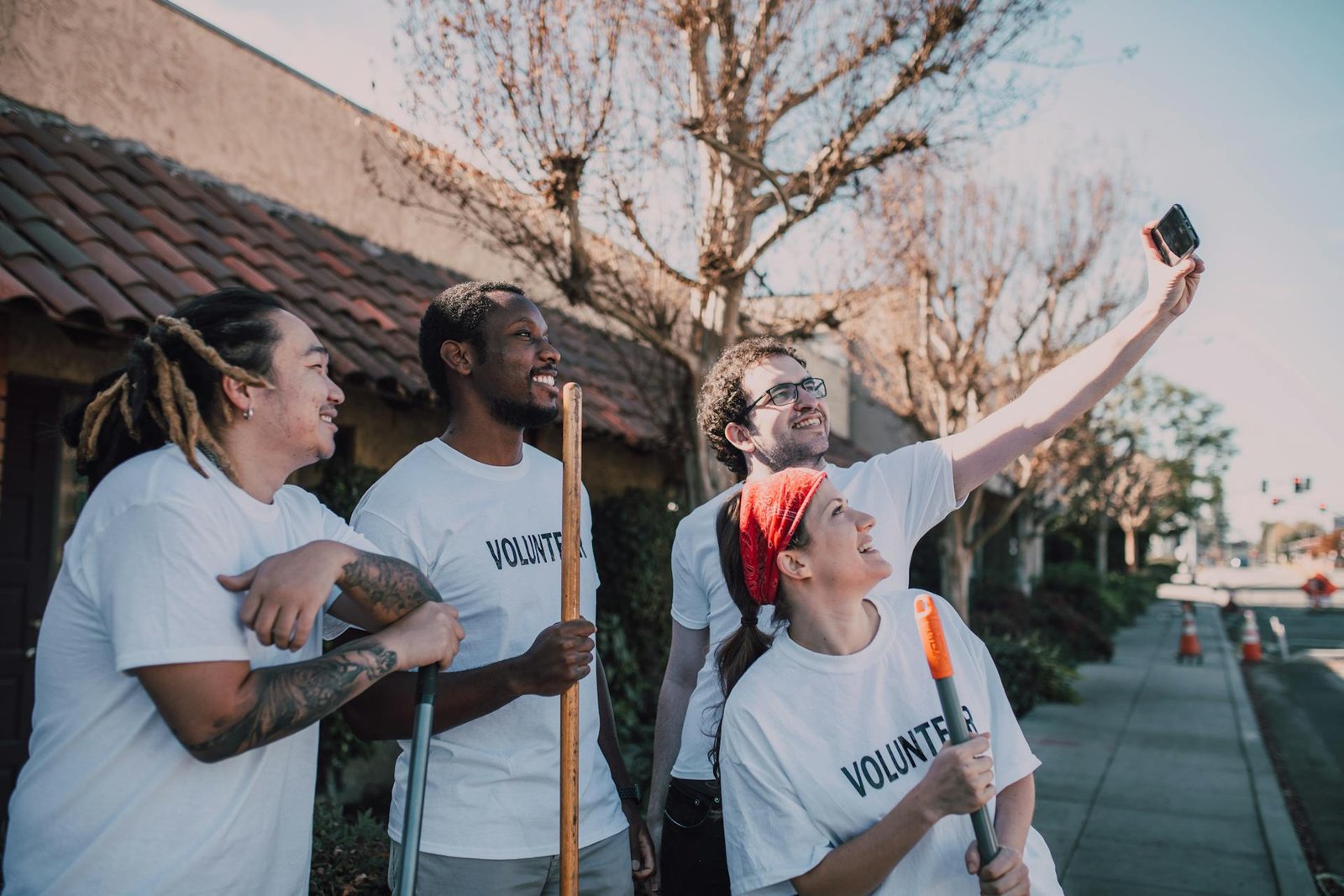

The Shift from Selling to Standing for Something
Not very long ago, most companies cared about one thing above everything else: attention.
The strategy was usually straightforward. Run more ads. Sponsor more events. Pay influencers. Stay visible enough that people keep seeing the brand everywhere they look. For years, that worked. Visibility created familiarity, and familiarity often translated into trust. But people have changed.
Audiences still notice good marketing, but they also notice what happens outside the campaign itself. Which companies quietly help during floods? Which businesses support hospitals, schools, or local communities without trying to turn every donation into content? Which brands disappear once the headlines fade, and which ones continue showing up? Those details matter far more now than they used to.
Part of the reason is probably exhaustion. People spend hours scrolling through sponsored content every day. Ads interrupt videos, appear between stories, fill timelines, and follow users across platforms. After a while, most of it becomes forgettable. Everything starts sounding polished in the exact same way.
What people respond to now is sincerity. Or at least something that feels closer to it. That is why social impact has slowly become tied to brand identity itself instead of sitting separately under “corporate responsibility.”
Why People Are More Sceptical Now
Consumers are also much more aware than brands sometimes realise.
A company can release emotional campaigns, post carefully written captions, or speak about “creating change,” but people usually notice when there is no real effort behind the messaging. Social media made that impossible to hide. Every fundraiser, relief effort, volunteer campaign, and donation drive becomes public immediately. So does performative behaviour. That is where many brands lose people.
Some companies focus so heavily on appearing socially aware that the effort starts feeling staged. Audiences pick up on that quickly. A dramatic awareness campaign lasting one week rarely creates long-term trust if nothing meaningful happens afterwards.
Ironically, smaller efforts often feel more believable. A company quietly funding a local healthcare camp every few months can build more goodwill than a massive campaign built entirely around publicity.
People remember consistency more than carefully produced messaging.
Why Community Support Feels More Personal Today
Social issues also feel closer to everyday life than before. Rising medical costs, inflation, layoffs, floods, and economic pressure have changed how people look at community support. Healthcare and welfare causes no longer feel distant or abstract because most families have experienced some version of financial or medical stress themselves.
That is one reason healthcare-related fundraising receives such strong engagement online. People understand the urgency behind it immediately.
Digital platforms have made that even more visible. A fundraiser shared through WhatsApp or social media can spread across thousands of people within hours. Support no longer depends only on large organisations or formal events. Communities themselves now help drive awareness.
Because of that, campaigns connected to healthcare support tend to resonate strongly, especially when they feel direct and transparent. Initiatives such as Indus Hospital donations are regularly shared across Pakistani and overseas communities because many people prefer contributing toward actual patient care instead of only reposting awareness graphics online.
See also: Pest Inspection: Why It’s Crucial for Homeowners
Why People Respect Public Figures Who Actually Show Up
Public expectations from celebrities have shifted too. Fame alone is no longer enough to earn admiration for years. Audiences expect actors, athletes, influencers, and entrepreneurs to use their reach for something meaningful too.
That is why more public figures are becoming involved in healthcare appeals, fundraising campaigns, education programs, and relief efforts. A single post from a well-known personality can suddenly bring attention to a cause since now more than ever celebrities likely understand that people now value responsibility alongside popularity.
At the same time, audiences have become better at spotting performative charity. Overly staged donation videos and constant self-promotion often feel forced. Quiet consistency usually creates far more respect than stagy gestures designed mainly for attention.
Social Responsibility Has Also Become Part of Reputation
Particularly in times of financial uncertainty, people are more inclined to support businesses they emotionally and personally trust. Younger customers in particular are very interested in whether businesses seem to be fully disconnected from or related to real-world concerns.
Research from organisations such as PwC and Forbes continues showing that consumers increasingly prefer businesses that demonstrate visible social responsibility instead of focusing only on promotion.
Still, the companies earning the strongest trust are usually not the ones constantly talking about generosity. The brands people respect most often make community support feel natural rather than performative.
Conclusion
Social impact is no longer sitting quietly in the background of branding conversations. People recall which businesses provided assistance during trying times, promoted healthcare access, remained active in the community, or kept up their support when the public’s focus shifted.
Advertising can still create visibility. But genuine involvement is usually what people remember afterwards.