
The selection of materials used in building under humid conditions must be based on two requirements, which involve the assessment of the visual appeal and the behaviour of the materials under humid conditions. If an incorrect choice is made, moisture damage will occur, which will affect all the surface areas, such as floors, walls, and ceilings.
Analysis of climatic conditions, circulation of air, and behaviour of materials has to be taken into consideration for the selection of materials. Smart material selection becomes essential in areas that experience coastal climates and persistent rainfall.
The construction industry uses durable products that resist moisture damage to create buildings that need permanent waterproof solutions. The architectural decision-making process will be explained in this guide, together with its impact on building performance throughout its operational life.
Understanding the Impact of Humidity
High humidity can cause various problems which include mould growth and material swelling and cracking and surface damage. Architects begin their work by determining the daily and seasonal moisture levels that buildings will experience. The Australian coastal regions and tropical regions maintain their high humidity conditions throughout the entire year. The materials must withstand exposure to moisture while they need to preserve both their structural strength and their visual appearance.
Choosing Moisture-Resistant Materials
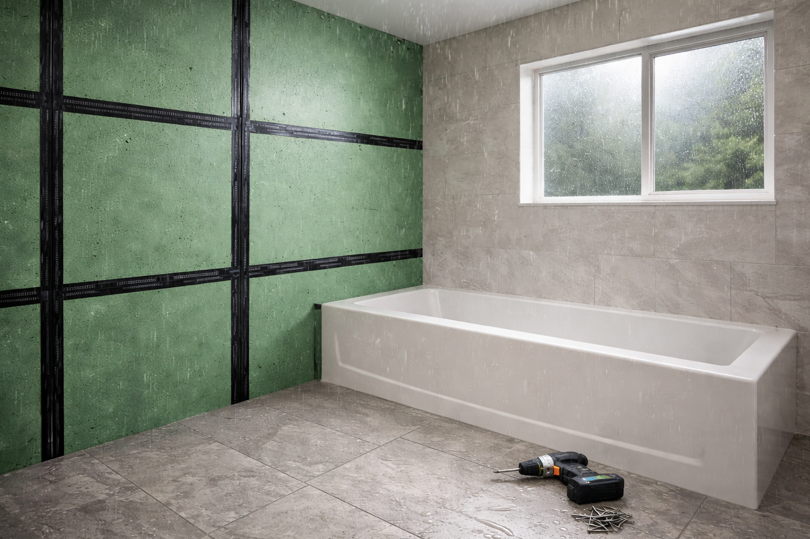
The first rule for wet environments states that all materials should be kept dry. Architects choose treated boards, composite materials, and moisture-resistant surfaces as their preferred materials. The three options decrease the chances of warping and mould development. Damp climate products show better performance and need fewer maintenance requirements. Architects use tested solutions from the likes of Bord Products because these products are built to endure severe environmental conditions.
Focusing on Durability and Maintenance
The same level of importance exists between durability and moisture resistance. Architects think long-term, not just about installation day. They predict the time needed for surface repairs and complete surface replacements. The building owners will receive advantages from using cleaning materials that need minimal upkeep because they will decrease their operational costs and cleaning time. The building needs to be repaired every few years, or you need to purchase materials that provide extended durability. Architects use this mental framework to create architectural designs because it serves as their decision-making base.
See also: Pest Inspection: Why It’s Crucial for Homeowners
Balancing Aesthetics with Performance
Architects must achieve their design goals because the humid environment affects both the aesthetic and functional aspects of the building. Modern materials now provide various finishing options that engineers can use to develop strong materials. The creation of both residential homes and commercial buildings aims to establish spaces that provide comfort and visual appeal while protecting against moisture damage.
Considering Sustainability and Safety
Architects in Australia now consider sustainability as an essential design element for their architectural work. The architects choose materials that offer environmental protection together with safe indoor use. The environmental impact of materials decreases because their recyclable properties enable extended usage, while their low-emission production process creates minimal environmental damage. The indoor air quality improvement results from moisture-resistant materials, which stop mould growth because mould prevention is necessary for maintaining air quality in humid conditions.
Conclusion
The process of selecting materials for high-humidity regions requires three essential criteria, which include technical knowledge, practical construction abilities and total project planning. The architects assess moisture content, building durability, visual appeal and environmental effects before making their final decision.
The proper material selection process helps them safeguard buildings against future damage while establishing better indoor environments. The trustworthy solutions sustain optimal building performance throughout Australia, including its extreme humidity regions.