
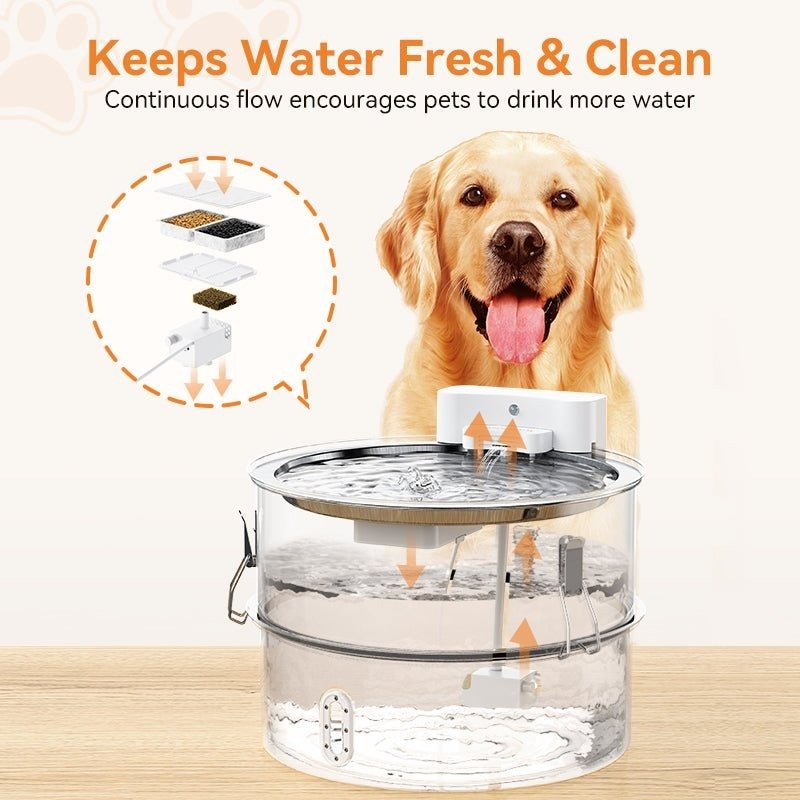

If you share your home with a large dog, you’ve likely noticed how difficult it can be to keep them properly hydrated. Despite having a full water bowl available, many big dogs simply don’t drink enough throughout the day. This isn’t just a minor inconvenience—chronic under-hydration in large breeds can lead to painful urinary tract infections, crystal formation in the bladder, and progressive kidney strain that shortens their lifespan. Pet water fountains have emerged as a popular solution, mimicking the flowing streams that naturally attract dogs to drink. However, many owners discover an unexpected problem: the mechanical hum and splashing of standard fountains actually frightens noise-sensitive pets away from the water source entirely. A low noise animal water fountain addresses this exact dilemma, combining the instinct-triggering appeal of circulating water with whisper-quiet operation that won’t stress your dog. This article will guide you through understanding why hydration matters so critically for large breeds, how noise becomes a hidden barrier, and exactly what to look for when choosing a fountain that genuinely supports your big dog’s health and daily comfort.
Why Hydration is a Critical Challenge for Large Dog Breeds
Large dogs face a hydration equation that works against them from the start. A seventy-pound Labrador requires roughly between fifty and seventy ounces of water daily just to maintain baseline organ function—significantly more during warm weather or after vigorous exercise. Their greater muscle mass generates more metabolic waste, their larger organs demand more fluid for filtration, and their higher activity levels accelerate water loss through panting and exertion. Yet despite these elevated needs, many large breeds are notoriously poor self-regulators when it comes to voluntary water intake.
The consequences of chronic under-hydration accumulate silently. Concentrated urine creates an ideal environment for struvite and calcium oxalate crystals to form in the bladder, leading to painful blockages that often require emergency veterinary intervention. Persistent low water intake also allows bacteria to colonize the urinary tract, triggering recurring infections that become increasingly resistant to treatment. Over months and years, the kidneys bear the heaviest burden—forced to filter toxins with insufficient fluid, nephrons deteriorate progressively, and veterinarians estimate that kidney disease affects roughly one in ten dogs over their lifetime, with large breeds facing disproportionate risk.
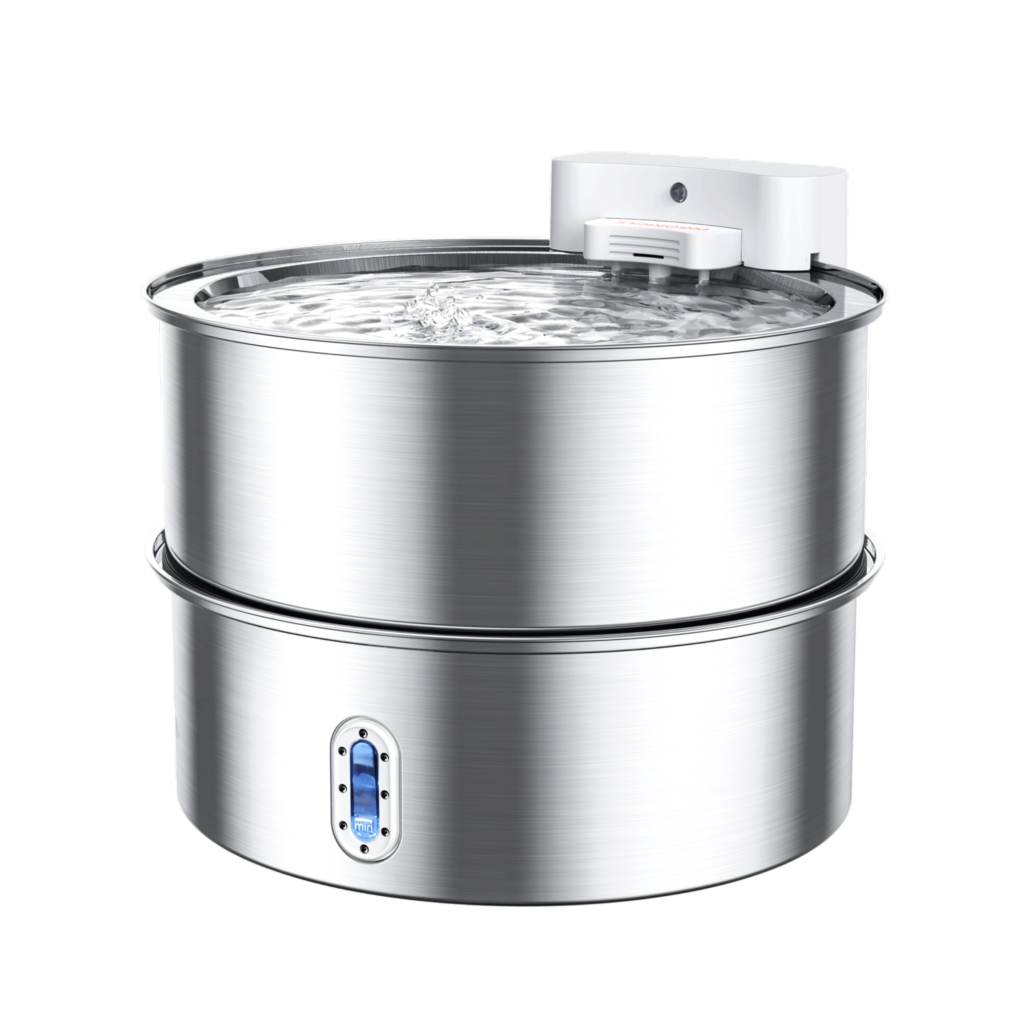
Most owners rely on a standard water bowl, but still water presents a fundamental problem. In nature, dogs instinctively gravitate toward moving streams because flowing water signals freshness and safety. A stagnant bowl quickly develops a biofilm layer, accumulates dust and food debris, and loses its dissolved oxygen—all factors that make it less palatable. This is precisely where a circulating water fountain transforms the equation, turning a passive, unappealing water source into something that triggers your dog’s deepest drinking instincts and dramatically increases daily consumption.
See also: Smart Home Organisation Tips for Busy Families
The Silent Problem: How Noise Deters Dog Hydration
Dogs hear frequencies and detect sounds at intensities far beyond human perception, which means that the pump motor your ears barely register can sound like a constant mechanical drone to your pet. For breeds already prone to anxiety—German Shepherds, Border Collies, and rescue dogs with unknown histories—this persistent hum creates an invisible fence around the water source. The dog approaches, hears the vibration, and retreats. Over days, this becomes a conditioned avoidance response that owners rarely connect to the fountain itself, instead assuming their pet simply prefers the old bowl.
This creates a damaging feedback loop. The owner invests in a fountain to boost hydration, the noise drives the dog away, water intake actually decreases, and the health problems that prompted the purchase in the first place continue to worsen. Some owners notice their dog only drinks when the fountain is unplugged—defeating the entire purpose of circulation and filtration. A low noise animal water fountain breaks this cycle at its root. Modern quiet fountains achieve near-silent operation through fully submersible pump designs that eliminate airborne vibration, sound-dampening rubber mounts that isolate motor contact from the basin walls, and precision-engineered impellers that move water smoothly without turbulent rattling. The result is a fountain operating below 40 decibels—quieter than a whispered conversation—ensuring even the most noise-sensitive dog can drink comfortably at any hour without hesitation or stress.
Beyond Quiet: The Multi-Layered Benefits of a Filtered Pet Water Fountain
While silent operation removes the primary barrier to fountain use, the real health advantages extend far beyond noise reduction. A well-designed pet water fountain delivers a comprehensive hydration system that addresses every reason your large dog might refuse to drink adequately from a traditional bowl.
Filtered Water That Tastes Better and Protects Health
Municipal tap water carries chlorine, sediment, and trace minerals that dogs can taste even when humans cannot. Activated carbon filters absorb these compounds along with organic contaminants that accumulate in standing water, producing a consistently clean taste that encourages repeated drinking. For large dogs prone to urinary crystal formation, filtered water also reduces the mineral load entering their system—meaning fewer calcium and magnesium particles available to crystallize in concentrated urine. Fresh, filtered water essentially removes one more excuse your dog’s body might have for avoiding the bowl.
Constant Circulation Keeps Water Alive
Still water begins degrading the moment you pour it. Within hours, dissolved oxygen levels drop, bacterial biofilm colonizes the surface, and microscopic debris settles into an unappetizing layer at the bottom. Continuous circulation solves all three problems simultaneously. Moving water maintains higher oxygen saturation—the same principle that makes a mountain stream taste crisper than a stagnant pond. This oxygenation also inhibits anaerobic bacteria growth, meaning the water stays genuinely cleaner between full basin changes rather than simply appearing clean on the surface.
Tapping Into Natural Drinking Instincts
Canine evolutionary biology strongly favors moving water sources. Wild canids avoid still pools where parasites and pathogens concentrate, instead seeking streams where flow indicates freshness. Your domestic dog retains this deep preference. A circulating fountain transforms drinking from a passive necessity into something that genuinely attracts your pet’s attention throughout the day. Many owners report their large dogs visiting a fountain eight to twelve times daily compared to just three or four trips to a static bowl—a dramatic increase that directly translates to better kidney perfusion, more dilute urine, and substantially lower infection risk over the animal’s lifetime.
Your Buying Guide: How to Choose the Perfect Low Noise Fountain
Selecting the right fountain requires evaluating several interconnected features that together determine whether your large dog will actually use it consistently. Approaching this purchase with clear criteria saves you from cycling through multiple disappointing products before finding one that genuinely works.
Capacity and Design for Big Dogs
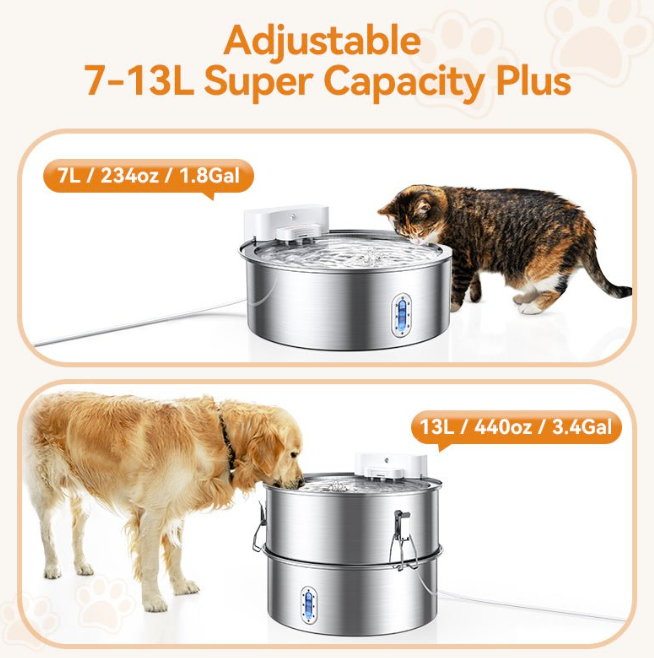
A fountain designed for cats or small breeds will frustrate a large dog immediately. Look for a reservoir that holds at least 100 ounces of water—enough to sustain a big dog’s daily needs without running dry and damaging the pump. Equally important is the basin’s physical design. Your dog’s broad muzzle needs a wide, shallow drinking surface that allows comfortable access without bumping against raised edges or narrow spouts. A weighted base or low center of gravity prevents tipping when an enthusiastic drinker pushes against it, and elevated lip heights between two and four inches accommodate the natural drinking posture of tall breeds without forcing them to crouch awkwardly.
The Quest for Quiet – Pump Technology and Materials
Not all “quiet” claims are equal, so dig into specifics. A fully submersible pump operates underwater, which naturally muffles mechanical vibration before it reaches the air. Rubber or silicone mounting feet between the pump and basin floor prevent contact resonance—the phenomenon where a hard motor casing transfers vibration into a plastic shell and amplifies it. Check for published decibel ratings; anything at or below 40 decibels ensures the fountain won’t register as a threat to sensitive ears. Brands like Meowant have focused on engineering ultra-quiet pump systems specifically for noise-sensitive pets, recognizing that true whisper-level operation requires attention to every component in the chain. The basin material matters too. Stainless steel dampens vibration better than thin plastic, resists scratching where bacteria hide, and adds enough mass to absorb residual pump movement rather than broadcasting it outward.
Filtration System Efficacy
A triple-layer filtration approach offers the most thorough purification for your dog’s drinking water. A coarse foam pre-filter catches hair, food particles, and large debris before they reach the pump—extending pump life and reducing maintenance frequency. Behind that, activated carbon absorbs chlorine, organic compounds, and the chemical tastes that discourage drinking. Some models add an ion-exchange resin layer that specifically targets calcium and magnesium, reducing the mineral load that contributes to urinary crystal formation. Beyond filter type, evaluate replacement accessibility: filters should be inexpensive, widely available, and simple to swap without tools or complicated disassembly.
Ease of Cleaning and Maintenance
A fountain that’s difficult to clean will eventually become a breeding ground for the same bacteria you’re trying to eliminate. Prioritize models that disassemble into four or fewer components without requiring specialized tools. Dishwasher-safe basins and reservoirs dramatically reduce the weekly time commitment, while smooth interior surfaces without crevices or textured patterns prevent biofilm from establishing in hard-to-reach spots. The pump itself should pull apart easily for periodic impeller cleaning—a thirty-second task that prevents the gradual noise increase caused by mineral buildup on moving parts. If maintenance feels burdensome, consistency drops, and an unmaintained fountain quickly becomes worse than a simple bowl.
Maximizing the Benefits: Setup and Maintenance for Optimal Health
Where you place your fountain matters almost as much as which one you buy. Choose a quiet, low-traffic area away from your dog’s food bowls—dogs instinctively prefer separating their water source from their feeding spot, a behavior inherited from wild ancestors who avoided water contaminated by prey remains. Position the fountain on a hard, level surface where your dog can approach from multiple angles without feeling cornered. Avoid placing it near appliances like washing machines or refrigerators that generate intermittent vibrations, as these can transfer through the floor and amplify the fountain’s already minimal operational sound.
Establish a consistent cleaning routine to keep the fountain performing at its best. Rinse the basin daily with warm water to remove surface debris and saliva residue. Once a week, fully disassemble the unit and scrub each component with a mild, pet-safe cleanser—paying particular attention to the pump intake and impeller chamber where mineral deposits gradually accumulate and increase operating noise. Replace carbon filters every two to four weeks depending on your water hardness and how many pets share the fountain; a discolored or slow-flowing filter has lost its effectiveness. If you notice the pump growing louder over time, soak it in diluted white vinegar for twenty minutes to dissolve calcium buildup on the impeller blades.
For dogs hesitant to approach initially, try running the fountain unplugged for the first day so your pet investigates the basin without any mechanical sound. Then power it on at the lowest flow setting, gradually increasing over several days as confidence builds. Placing a few treats near the fountain or letting water drip onto your hand for your dog to lick can create positive associations. Remember that consistent maintenance directly determines whether you achieve the health outcomes you purchased the fountain for—a clean, quiet, properly functioning fountain is the difference between a dog that drinks enthusiastically twelve times daily and one that reverts to avoiding the water source entirely.
Invest in Quiet Hydration for Your Large Dog’s Long-Term Health
A low noise animal water fountain isn’t an indulgence or a trendy pet gadget—it’s a fundamental health intervention for large dogs whose hydration needs consistently outpace their willingness to drink from a stagnant bowl. The evidence is clear: big breeds require substantially more daily water intake to protect their kidneys, prevent painful urinary crystal formation, and ward off recurring infections that diminish their quality of life. A quiet fountain solves this challenge from multiple angles simultaneously. It eliminates noise as an invisible deterrent that drives anxious or sensitive dogs away from their water source. It delivers continuously filtered, oxygenated water that tastes fresh and appeals to your dog’s deep evolutionary preference for flowing streams. And it transforms hydration from a passive afterthought into an activity your dog actively seeks out throughout the day.
Your large dog depends on you to recognize the threats they cannot articulate—and chronic dehydration is one of the most overlooked dangers in canine health. By choosing a fountain engineered for silent operation, built with adequate capacity for a big breed’s demands, and maintained with consistent care, you’re making a decision that compounds in value over every year of your dog’s life. Healthier kidneys, fewer emergency vet visits, and a dog that drinks confidently and often—that’s the return on this single, thoughtful investment. Make the switch today, and give your dog the hydration support their body has always needed.