
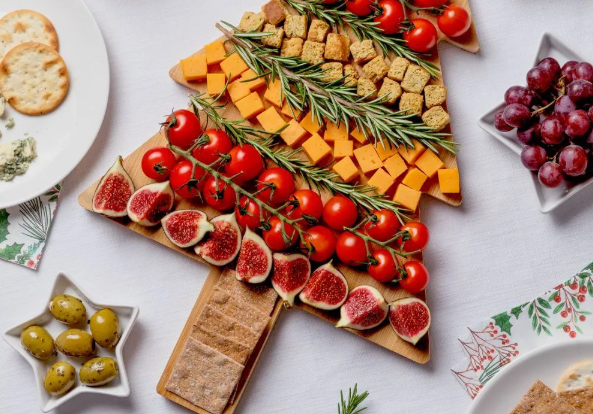
Every Christmas, hosts face the same quiet dilemma. Do you keep things light with finger foods, or do you commit to a proper meal? Both options sound reasonable on paper. Both come with strong opinions. And both can either make the evening feel effortless or unexpectedly exhausting.
The confusion usually comes from treating this as a food decision when it’s really a hosting decision. The best Christmas food ideas aren’t just about what tastes good. They’re about how the evening flows, how long people stay, and how much time you want to spend in the kitchen once guests arrive.
Why This Question Comes Up Every Christmas
Christmas gatherings aren’t like regular dinners or casual parties. They last longer. Guests tend to linger. Conversations stretch. Expectations are higher, even if no one says so out loud.
You’re not just feeding people. You’re hosting a moment that’s meant to feel warm, generous, and unhurried. That’s why the food format matters more than it would on any other day.
Finger foods promise flexibility and ease. Full meals promise structure and satisfaction. Both can work, but not in every situation.
What Finger Foods Do Well During Christmas Gatherings
Finger foods shine when flexibility is the priority. They allow people to eat at their own pace without interrupting conversations or pulling everyone to the table at once.
In practice, finger foods work best when the gathering is genuinely casual and fluid.
They’re especially effective when:
- Guests arrive at staggered times
- The group is small and informal
- Food is meant to support conversation, not anchor the evening
Finger foods also remove the pressure of “serving.” There’s no formal start time, no worry about plates going cold, and no need to coordinate everyone’s schedule.
For hosts who want movement and mingling, this format feels natural.
Where Finger Foods Start Creating Stress
The downside of finger foods rarely shows up at the planning stage. It appears midway through the evening, once the initial trays are empty and people are still hungry.
What begins as an easy option can quietly turn into ongoing kitchen work.
Common challenges include:
- Constant reheating and replenishing
- Food drying out or losing its appeal over time
- Guests grazing without ever feeling properly fed
Instead of one focused cooking window, you end up with multiple small ones spread across the night. The kitchen never quite closes.
For longer Christmas gatherings, this can mean you spend more time managing food than enjoying the company, which defeats the original purpose of choosing finger foods.
What Full Meals Offer That Finger Foods Don’t
A full meal brings something finger foods often can’t: a clear rhythm to the evening.
When everyone sits down together, there’s a shared moment. People slow down. Conversations deepen. The gathering feels anchored.
This structure works particularly well for Christmas, where food often carries emotional weight as well as expectation.
Full meals tend to suit:
- Gatherings that last several hours
- Families with multiple age groups
- Celebrations where food is central, not secondary
Once the meal is served, the bulk of the work is done. After that, the evening usually shifts into a calmer phase of dessert, conversation, and lingering without the constant need to manage trays.
The Hidden Effort Behind Cooking a Full Christmas Meal
While full meals simplify the evening itself, they concentrate effort earlier in the day. This is where many hosts underestimate the workload.
Cooking a full Christmas meal usually involves:
- Planning multiple dishes that finish together
- Managing oven space and timing
- Cleaning up while guests are still present
Unlike finger foods, which are spread out, a full meal demands precision. Everything needs to be ready at once. That pressure can make the hours before guests arrive feel rushed and stressful.
This is why some well-intentioned Christmas food ideas sound wonderful but feel overwhelming in practice, especially when you’re cooking alone.
See also: Healthy Lifestyles That Can Boost Your Immunity
How Hosting Changes with a Private Chef for Christmas
This is where many hosts quietly rethink their role.
When a private cheftakes over the kitchen, the biggest change isn’t the food, it’s your attention. You stop monitoring time, temperatures, and portions. The evening revolves around what needs to be served next.
Instead of choosing between finger foods and a full meal based on effort, you can choose based on experience.
With a chef handling the food:
- The meal flows naturally, without rushing
- Food arrives when it makes sense, not when you can manage it
- Cleanup doesn’t hang over the evening
The host’s role shifts from managing logistics to being present. For many people, that’s the real luxury.
Finger Foods, Full Meals, or a Hybrid Approach
It’s not always a strict choice between one format and the other. Many Christmas gatherings work best with a combination.
A common approach is:
- Light finger foods early in the evening
- A seated or semi-seated meal later
This allows guests to settle in without feeling hungry, while still enjoying the structure of a proper meal. It works particularly well for longer gatherings where people arrive over a wider window.
When managed well, especially with help, this hybrid approach offers the best of both worlds.
How to Decide What Works Best for Your Christmas
The right choice usually becomes clear when you step back from the menu and think about the evening as a whole.
Ask yourself:
- How long will people realistically stay?
- Is food the main event or part of the background?
- Do you want to cook, or do you want to host?
If the gathering is short and informal, finger foods can be enough. If Christmas is the central celebration, a full meal often feels more satisfying. If you want ease without compromise, hiring a private chef for Christmas can eliminate the trade-offs entirely.
There’s no universally correct answer, only what aligns with how you want the day to feel.
It’s Not About the Food Format
Ultimately, the debate between finger foods and full meals overlooks the larger issue. Food should support the celebration, not dominate it.
The best Christmas gatherings feel unforced. People stay because they’re comfortable, not because they’re waiting for the next dish. The host feels part of the room, not tied to the kitchen.
Whether you choose simple finger foods, a thoughtfully planned meal, or help from a private chef for Christmas with CookinGenie, the goal is the same: a Christmas that feels generous without being exhausting.
Because long after the plates are cleared, what people remember isn’t the format of the food. It’s how the evening felt and whether you seemed relaxed enough to enjoy it too.