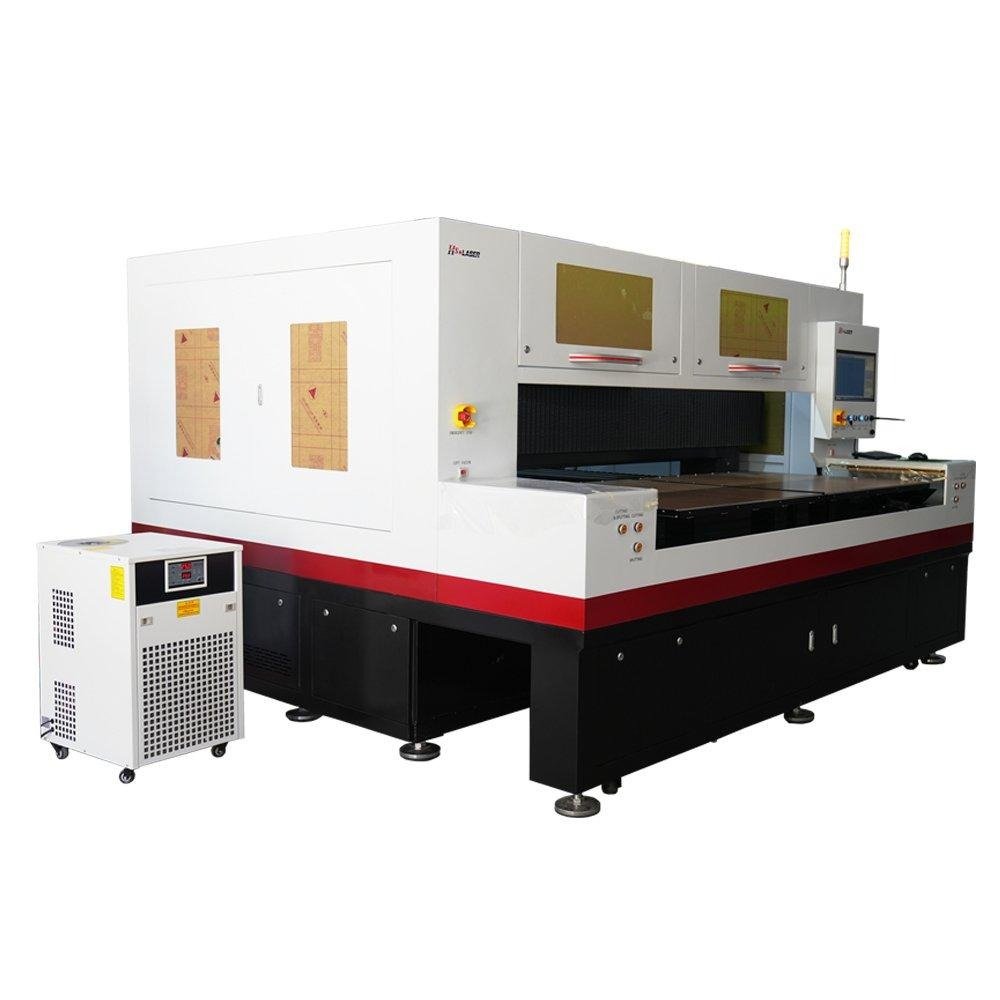

A picosecond laser cutting machine is one of the most versatile precision tools in modern manufacturing. Its ultra-short pulses cut without the heat damage that limits other methods, which opens the door to materials and products that were once difficult or impossible to process. From life-saving medical devices to the screens in our pockets, the same technology serves industries that could hardly be more different. This article looks at where the technology is used and why it has become so widely adopted.
Medical Devices and Implants
Medical manufacturing demands precision and cleanliness above all else. A picosecond laser cutting machine is widely used to cut stents, the tiny mesh tubes that keep blood vessels open. These are cut from fine metal tubing, and the edges must be perfectly smooth, since any burr or rough spot could damage tissue. The cold cutting action of the picosecond laser produces that smooth edge directly, with no secondary finishing.
The same machines cut surgical instruments, implant components and parts for diagnostic equipment. Materials range from stainless steel and nitinol to polymers used in catheters and disposable devices. Because the process adds no heat stress, the mechanical properties of these materials stay unchanged, which matters when a component will spend years inside the human body.
Consumer Electronics and Displays
The screens on phones, tablets and watches are cut with picosecond lasers. Display glass is thin, coated and often curved, and it must be cut to exact shapes with edges that will not chip during assembly. A picosecond laser cutting machine handles these requirements routinely, cutting complex outlines and small holes for cameras and sensors in a single setup.
Beyond glass, the machines cut the thin metal frames, speaker meshes and flexible circuits inside electronic devices. As devices get smaller and more densely packed, the features that need cutting get finer too, and the precision of picosecond processing keeps pace with that trend.
Automotive and Aerospace Components
In the automotive industry, a picosecond laser cutting machine is used for precision parts such as fuel injector nozzles, sensor components and thin metal gaskets. These parts must meet tight tolerances, and the repeatability of computer-controlled laser cutting delivers that consistency across large production runs.
Aerospace work is similar but more demanding still. Components for aircraft and satellites are made from advanced alloys and ceramics, and they must be cut without introducing cracks or heat damage that could weaken them in service. The cold cutting action of the picosecond laser is well suited to these high-value, safety-critical parts.
Jewellery, Watches and Luxury Goods
Fine work in jewellery and watchmaking is another natural home for the technology. A picosecond laser cutting machine can cut intricate patterns in precious metals, engrave fine details and shape sapphire crystals for watch faces. The precision is high enough for decorative work that would be impossible by hand, and the process leaves no burrs or discolouration on the finished piece.
Semiconductors and Microelectronics
In semiconductor manufacturing, wafers and thin films need to be cut and patterned without damaging the layers beneath. The ultra-short pulses of a picosecond laser cutting machine remove material layer by layer with minimal thermal effect, which makes it useful for dicing wafers, trimming films and cutting the tiny features found in sensors and microchips.
5 Industries Transformed by Picosecond Laser Cutting
- Medical: stents, implants and surgical tools with perfectly smooth edges.
- Electronics: display glass and flexible circuits cut to exact shapes.
- Automotive: injector nozzles, gaskets and sensor parts in large volumes.
- Aerospace: advanced alloys and ceramics cut without heat damage.
- Luxury goods: jewellery, watches and sapphire crystals with fine detail.
Why Adoption Keeps Growing
Several trends are driving wider use. Products keep getting smaller and more precise, which favours a cutting method that works at the microscopic scale. At the same time, manufacturers want to remove finishing steps from their processes, and the clean edges produced by picosecond cutting do exactly that. As the cost of the technology falls and more engineers gain experience with it, new applications appear regularly.
The technology also fits well with automation. A picosecond laser cutting machine can be integrated into a production line with automatic loading, vision alignment and quality inspection, allowing high-volume production with very little operator intervention.
Getting Started With Picosecond Laser Cutting
For a manufacturer considering this technology for the first time, the best first step is to have sample parts cut by a supplier or a machine demonstration centre. Seeing your own components cut cleanly, and handling the finished edges yourself, tells you more than any specification sheet. A picosecond laser cutting machine can then be configured for the materials and volumes you actually produce, rather than for a generic application. Training is part of the process too: operators need to understand the settings, the safety requirements and the maintenance routine. With the right introduction and a little practice, the technology quickly becomes a normal part of daily production.
Frequently Asked Questions
Is picosecond laser cutting only for high-end products?
It started in high-end applications, but it is now used across a wide range of products. As the technology becomes more affordable, it is moving into everyday manufacturing.
Can the same machine serve different industries?
Yes. One machine can cut glass for displays, metal for medical devices and ceramics for aerospace, provided the settings are adjusted for each material.
What limits the technology?
Very thick materials are better cut by other methods, and the initial investment is significant. For thin, delicate and precision work, however, it is often the best available option.
See also: Challenges in Enterprise Knowledge Retention
Final Thoughts
A picosecond laser cutting machine serves an unusually wide range of industries because it solves a universal problem: how to cut delicate materials cleanly and precisely. From medical implants to smartphone screens, its cold cutting action delivers edges and features that other methods cannot match. As products continue to shrink and precision requirements continue to rise, its role in manufacturing will only grow.