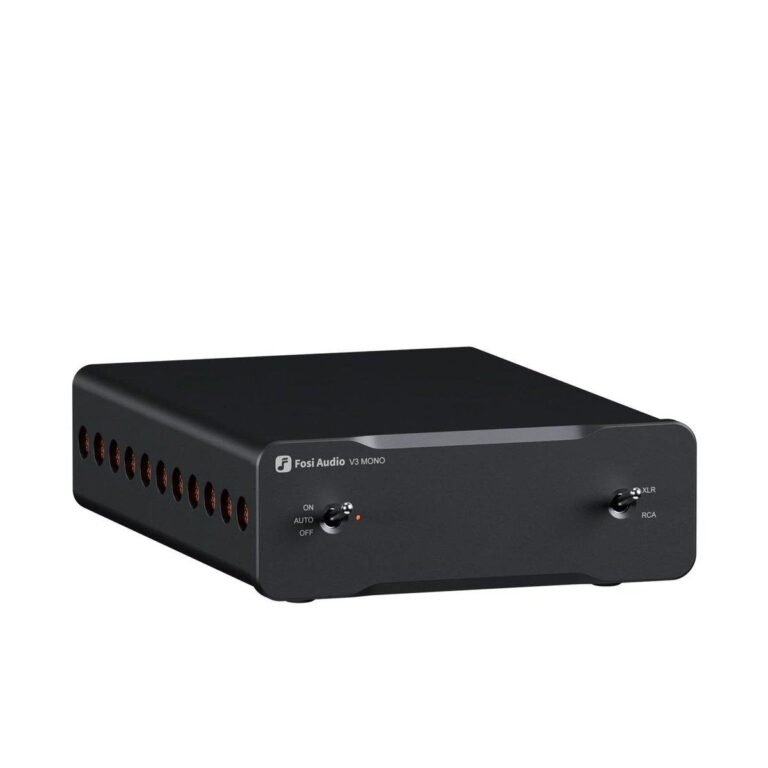
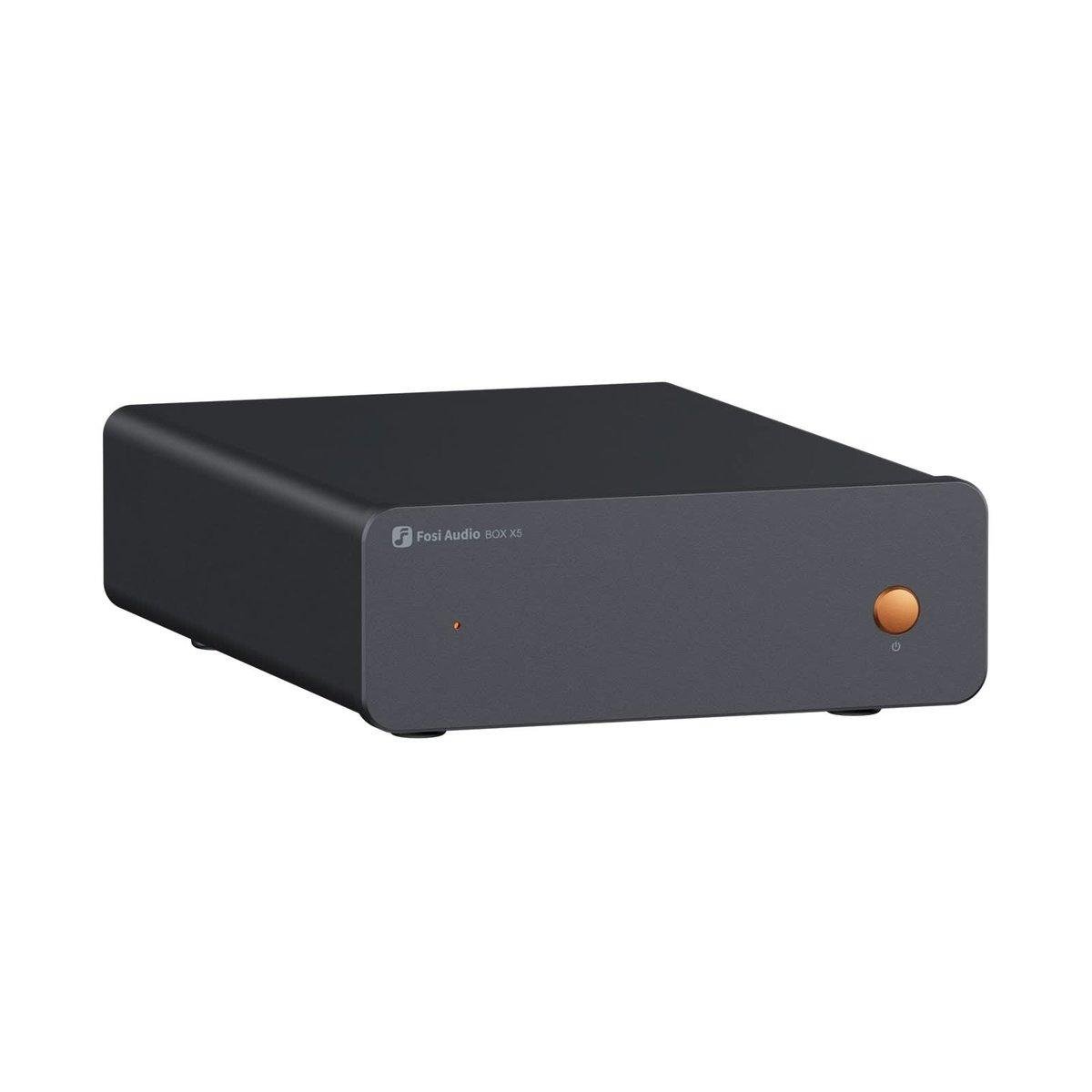

Every vinyl listener eventually asks the same question: does a phono stage really make a difference, or is it just another box to buy? The honest answer is that it makes a very real difference, and the reason is simple. A phono stage handles the weakest and most delicate signal in your whole system, so its quality shapes everything you hear. This article explains how a phono stage affects the sound of your records, and when an upgrade is worth your money.
The Signal Is Fragile
The signal from a turntable cartridge is tiny, measured in thousandths of a volt. It is thousands of times weaker than the signal from a CD player or a phone, and it is easily damaged by noise, interference and poor circuitry. A phono stage has to boost that fragile signal by a large amount while adding as little noise as possible. That is a demanding job, and the difference between a good circuit and a mediocre one is clearly audible.
A basic built-in phono stage, the kind found inside many affordable turntables and amplifiers, does the job, but it is usually built to a tight budget. The components are small, the power supply is shared with other circuits, and the layout is rarely optimised for low noise. The result is a sound that works but lacks the clarity, depth and quiet background that a dedicated phono stage can deliver.
What Improves When You Upgrade
The first thing most listeners notice after adding a good phono stage is the silence. Between tracks, and in the quiet passages of a record, the background becomes darker and calmer. Hiss and hum fade away, and the music seems to emerge from nothing.
The second improvement is in the bass. A good phono stage applies the RIAA equalisation curve accurately, restoring the low frequencies that the record-cutting process reduces. The bass becomes fuller, tighter and better defined, giving the music a solid foundation that a weak phono stage cannot provide.
The third improvement is detail. A clean phono stage lets the fine textures of a recording come through: the breath of a singer, the resonance of an acoustic guitar, the decay of a piano note. These details are present in the groove, but a noisy or inaccurate phono stage buries them. A better phono stage simply gets out of the way and lets you hear what is already there.
When the Difference Is Biggest
The improvement is most dramatic when you move from a basic built-in stage to a well-designed separate phono stage. That first step often transforms a system, and many listeners describe it as the best upgrade they have ever made. The change is easy to hear, even on modest speakers, because the built-in stage was the weakest link in the chain.
After that first step, the improvements become more subtle. Moving from a good affordable phono stage to a more expensive one brings refinements rather than revelations: a slightly quieter background, a touch more detail, a more natural tone. Spending more on a phono preamp than on the rest of your system is rarely good value.
What a Phono Preamp Cannot Fix
A phono preamp cannot rescue a worn record, a damaged stylus or a poorly set-up turntable. If your records are scratched, your stylus is past its best, or your tonearm is misaligned, no phono preamp will hide those problems. It is worth checking the basics first: clean records, a fresh stylus and a correctly balanced tonearm will do more for your sound than any electronic upgrade.
Equally, a phono preamp cannot add warmth or detail that is not in the recording. Its job is to preserve what the cartridge picks up, not to invent something new. The best phono preamp is the one you notice least, because it simply passes the music through without adding its own character.
5 Ways a Good Phono Preamp Improves Sound
- Quieter background: less hiss and hum between tracks and in quiet passages.
- Fuller bass: accurate equalisation restores the low end that record cutting reduces.
- More detail: fine textures and subtle sounds in the recording become audible.
- Better dynamics: loud and soft passages are reproduced with greater contrast.
- Cleaner treble: cymbals and strings sound smooth rather than harsh or grainy.
How to Hear the Difference Yourself
The best way to judge a phono preamp is to listen to it in your own system. Borrow or buy one with a return option, connect it carefully, and play records you know well. Listen to the silence between tracks, the weight of the bass and the clarity of voices. Then switch back to your old setup and compare. If the difference is obvious, the upgrade is worth it. If you struggle to hear any change, your money is better spent elsewhere, perhaps on a better cartridge or cleaner records.
See also: Challenges in Enterprise Knowledge Retention
Frequently Asked Questions
Will a phono preamp make my records sound louder?
It will bring the volume up to the same level as your other sources, but its real benefit is sound quality, not volume. A good phono preamp makes records sound fuller and clearer, not just louder.
Is the built-in phono preamp in my turntable bad?
Not necessarily. Some built-in stages are perfectly decent, especially on better turntables. But a separate phono preamp almost always sounds better, because it has a dedicated circuit and a cleaner power supply.
How much should I spend to hear a difference?
In most systems, a well-regarded affordable phono preamp is enough to hear a clear improvement over a basic built-in stage. You only need to spend more when the rest of your system is good enough to reveal finer differences.
Final Thoughts
A phono preamp really does improve vinyl sound, and the improvement is easiest to hear when you move from a basic built-in stage to a dedicated one. The background gets quieter, the bass gets fuller, and the detail comes through more clearly. Beyond that first step, the gains become subtler and depend on the quality of the rest of your system. Choose a phono preamp that matches your turntable and your budget, listen carefully, and let your ears decide.