
Aluminum manufacturers need reliable refining processes to produce high-quality castings with fewer defects and consistent material properties. A silicon nitride degassing rotor is an advanced ceramic component designed to improve molten aluminum treatment by distributing inert gas throughout the melt. Its excellent thermal stability, mechanical strength, and resistance to molten aluminum make it a useful option for foundries looking to improve degassing performance and maintain efficient production.
Understanding Silicon Nitride Degassing Rotors
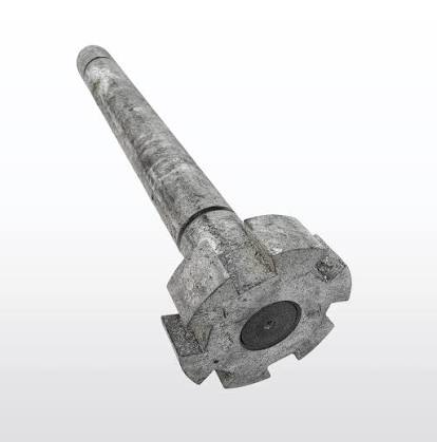
A silicon nitride degassing rotor is commonly used in aluminum refining systems to help remove dissolved hydrogen from molten metal. It typically consists of a shaft and an impeller engineered to operate in high-temperature environments.
During the degassing process, inert gas, usually nitrogen or argon, passes through the rotor shaft. As the impeller rotates, it disperses the gas into small bubbles throughout the molten aluminum. Dissolved hydrogen moves into these bubbles and is carried toward the surface, where it escapes from the melt.
This process helps reduce hydrogen-related porosity, which can affect the strength, appearance, and reliability of aluminum castings. Effective degassing is particularly important for manufacturers producing components that require consistent quality.
Major Benefits of Silicon Nitride Degassing Rotors
1. High-Temperature Resistance
Silicon nitride is a high-performance ceramic known for its strength and thermal stability. These properties make it suitable for demanding aluminum refining applications involving elevated temperatures.
Its resistance to thermal shock can also help reduce the likelihood of damage caused by temperature fluctuations when the rotor is operated within recommended conditions. Proper preheating and handling procedures remain important for maximizing service life.
2. Excellent Wear Resistance
Degassing equipment operates under challenging conditions, including continuous rotation and exposure to molten metal. Silicon nitride provides strong wear resistance, helping the rotor maintain its structural integrity during repeated operations.
This durability can support consistent performance and reduce the frequency of replacement, depending on the operating environment and maintenance practices.
3. Resistance to Molten Aluminum
Silicon nitride generally exhibits good resistance to molten aluminum and relatively low wettability. These characteristics can help limit metal adhesion and reduce unwanted buildup on the rotor surface.
Less buildup may simplify routine maintenance and help maintain effective gas dispersion during the degassing process.
4. Improved Operational Efficiency
A properly selected and maintained degassing rotor can help manufacturers achieve more consistent melt treatment. Effective gas distribution supports hydrogen removal, while durable construction may reduce interruptions caused by premature component failure.
The actual benefits depend on rotor design, gas flow, rotation speed, melt temperature, and the characteristics of the aluminum alloy being processed.
Industrial Applications
Silicon nitride degassing rotors are suitable for various aluminum manufacturing environments.
- Aluminum foundries: Help reduce dissolved hydrogen before casting operations.
- Billet production: Support melt quality for aluminum extrusion billets.
- Aluminum slab casting: Assist in refining molten metal before solidification.
- Automotive component manufacturing: Support processes that require controlled porosity and consistent casting quality.
- Industrial aluminum processing: Provide a component option for refining systems operating under demanding conditions.
The appropriate rotor configuration depends on the equipment used and the requirements of each production line.
How to Choose the Right Silicon Nitride Degassing Rotor
Selecting a suitable rotor requires careful evaluation of the degassing system and production conditions. Manufacturers should consider shaft length, rotor diameter, impeller geometry, connection dimensions, rotational speed, and inert gas requirements.
Material quality and manufacturing precision are equally important. A properly designed rotor should be compatible with the existing equipment and provide stable operation at the intended temperature and speed.
Businesses should also review supplier specifications, installation guidance, and maintenance recommendations before making a purchasing decision. Confirming compatibility can help prevent unnecessary downtime and support reliable performance.
Discover Haoxing Graphite Degassing Solutions
Choosing the right degassing equipment is an important step toward improving aluminum melt quality and manufacturing consistency. A silicon nitride degassing rotor offers a combination of thermal stability, wear resistance, and suitability for demanding molten-metal applications.
Explore the aoxing Graphite silicon nitride degassing rotor to review product details and available specifications. By matching the rotor design to your refining equipment and operational requirements, you can make a more informed decision for your aluminum casting process.