

Picture this: a Saturday afternoon spent hunched over the pool edge, wrestling with a tangled vacuum hose while sweat drips down your back, skimming leaves one frustrating scoop at a time. For decades, this was the reality of pool ownership—hours of manual labor just to keep the water swimmable. Traditional cleaning methods demanded not only physical effort but also constant attention, chemical guesswork, and expensive professional visits. The process was inefficient, time-consuming, and frankly, a joy killer for anyone who simply wanted to enjoy their backyard oasis. Enter robotic pool cleaners, a technological leap that has fundamentally transformed how we maintain our pools. These intelligent machines handle the dirty work autonomously, delivering spotless results while owners relax or attend to what matters most. In this article, we’ll explore the fascinating evolution from manual scrubbing to cutting-edge automation, examine the tangible benefits robotic cleaners deliver, and provide practical guidance for choosing the right model—including insights on app-controlled convenience and filtration system comparisons that today’s pool owners need to make informed decisions.
The Dawn of Automation: From Manual Scrubbing to Robotic Pool Cleaners
Pool maintenance began as purely manual work—stiff-bristled brushes, handheld skimmers, and vacuum heads connected to garden hoses were the only tools available through the mid-twentieth century. Every surface required hands-on scrubbing, and debris removal meant patient, repetitive scooping. The first breakthrough arrived in the 1970s with suction-side cleaners, devices that attached to a pool’s existing filtration system and moved randomly along the floor. While revolutionary for their time, they offered limited coverage and placed extra strain on the pool pump. Pressure-side cleaners followed, using dedicated booster pumps to propel themselves and collect debris in attached bags, improving performance but adding complexity and energy costs. The true transformation came with the emergence of robotic pool cleaners in the 1990s and early 2000s. These self-contained units operated independently from the pool’s plumbing, carrying their own motors, filtration, and increasingly sophisticated navigation software. Each generation brought smarter sensors, more efficient brushes, and better energy management. Today, robotic pool cleaners represent the pinnacle of pool cleaning technology, meeting the modern homeowner’s demand for hands-free convenience without sacrificing thoroughness. Their evolution mirrors a broader cultural shift—pool owners no longer accept labor-intensive routines when intelligent automation delivers superior results with minimal intervention.
How Robotic Pool Cleaners Operate: A Technical Overview
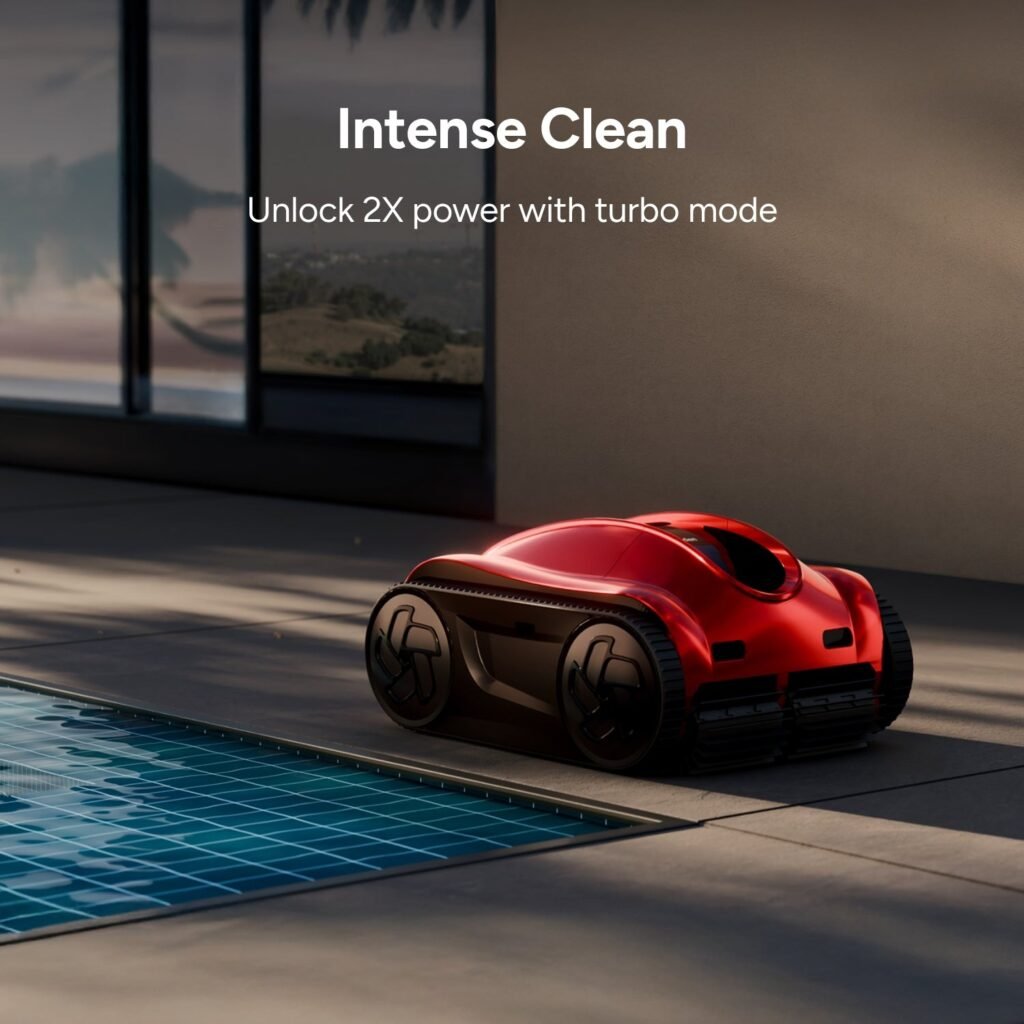
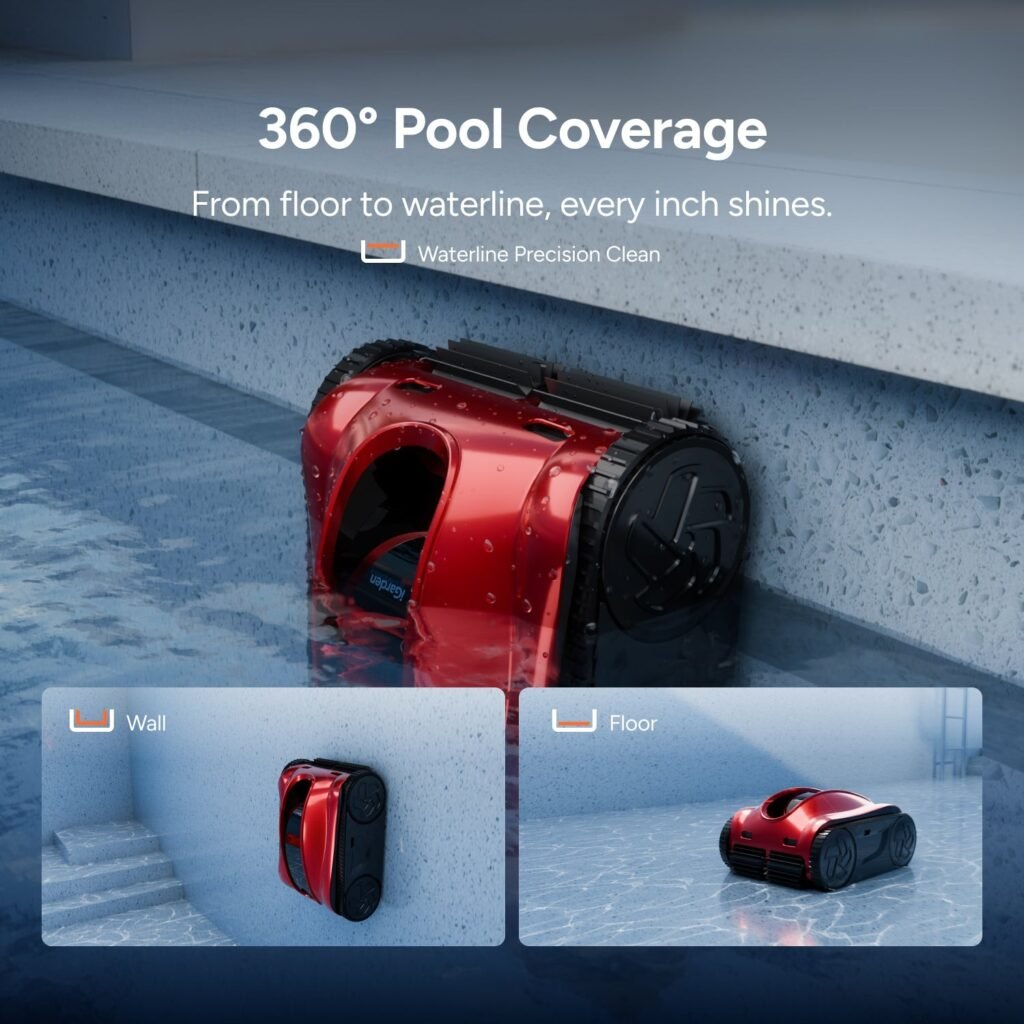
Unlike their predecessors that rely on a pool’s existing pump and plumbing, robotic pool cleaners function as entirely self-contained units. Drop one into the water, plug the power supply into a standard outlet, and the machine handles everything else. At the heart of each unit sits a low-voltage electric motor that drives internal impellers, creating suction powerful enough to lift debris from surfaces while the cleaner glides along the floor, walls, and even the waterline. Rotating scrubbing brushes—often made from PVA foam or textured rubber—loosen algae, biofilm, and stuck-on grime so the suction stream can capture it. Collected debris passes into an onboard filtration system, typically a removable cartridge or canister, which traps particles before expelling clean water back into the pool. This closed-loop design means zero additional load on your pool’s circulation pump, translating directly into energy savings and reduced wear on existing equipment.
Intelligent Navigation and Cleaning Cycles
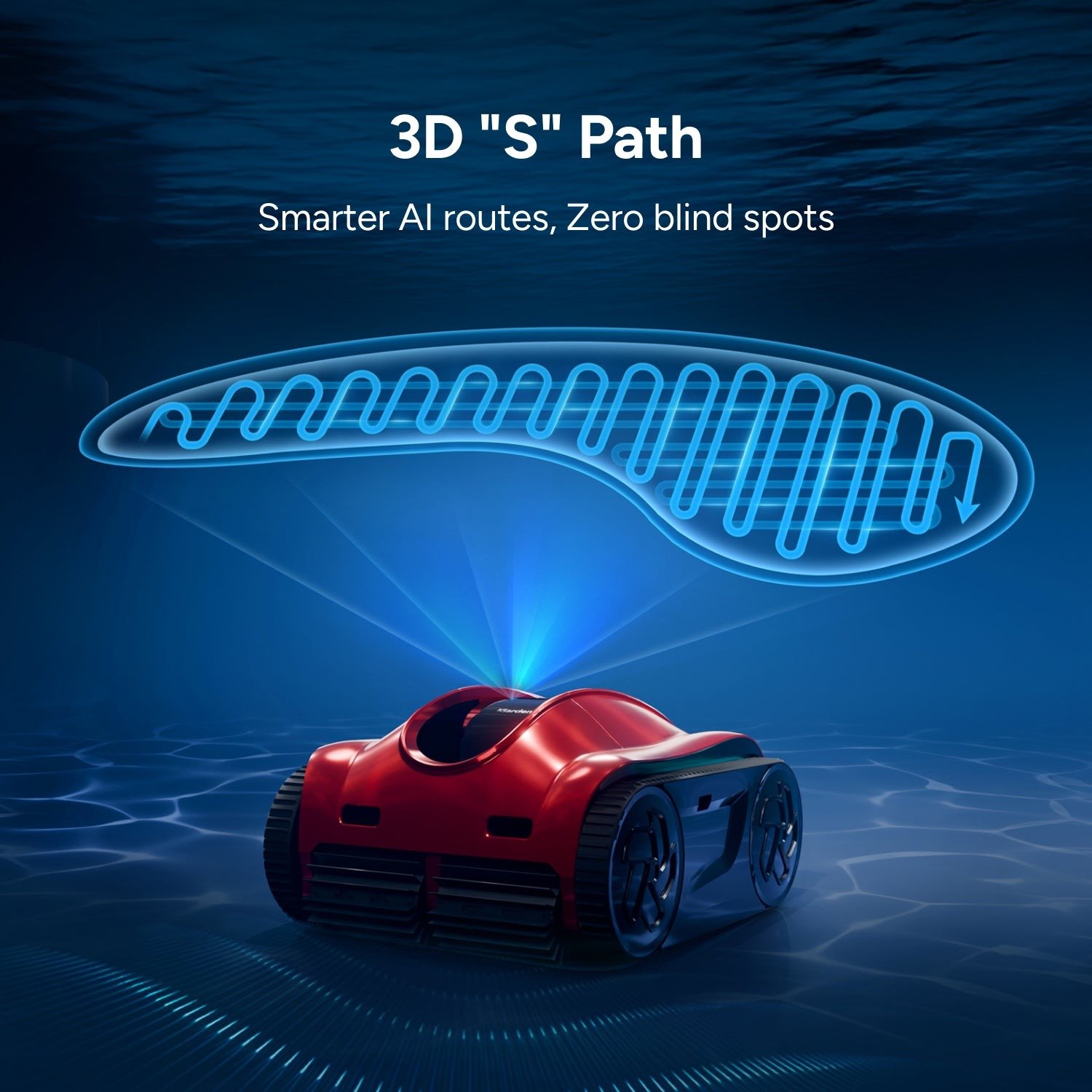
What separates modern robotic cleaners from earlier random-path devices is their navigation intelligence. Premium models use gyroscopes, accelerometers, and sometimes laser or sonar-based mapping to chart the pool’s dimensions on the first pass, then follow calculated routes that ensure complete coverage without redundant overlap. Mid-range units often employ systematic back-and-forth patterns combined with wall-detection sensors to avoid getting stuck on ladders or steps. Most robots offer programmable cleaning cycles—quick sessions for light maintenance, deep-clean modes for heavy debris loads, and waterline-only passes for scum removal. These cycles can run on preset schedules, meaning the pool stays pristine between swims without any owner involvement. The result is methodical, repeatable cleaning that manual methods simply cannot match.
See also: Exploring Life Insurance Without a Medical Exam
The Superior Advantages: Why Robotic Cleaners Are the Smart Choice
The case for robotic pool cleaners extends far beyond convenience—though that alone would justify the investment for most owners. Energy efficiency stands out as a primary advantage. Because these units run on low-voltage motors independent of the pool’s main pump, they consume a fraction of the electricity that suction-side or pressure-side cleaners demand during operation. Many models complete a full cleaning cycle using less energy than a standard light bulb over the same period. This translates to measurable savings on monthly utility bills, particularly for owners who schedule frequent cleaning sessions. Cleaning performance is equally compelling. The combination of active scrubbing brushes and powerful onboard suction removes contaminants that passive cleaners simply push around. By physically lifting algae and biofilm from surfaces, robotic cleaners reduce the chemical load needed to maintain balanced water chemistry. Pools stay clearer with less chlorine, fewer algaecide treatments, and more stable pH levels—a benefit for both swimmers’ skin and long-term equipment health. The thorough filtration also means fewer particles circulating through the water column, which lessens the burden on your main filter and extends its service life.
Embracing Smart Pools: The Power of App-Controlled Pool Cleaners
For tech-savvy homeowners, app-controlled pool cleaners represent the ultimate hands-off experience. Dedicated smartphone applications connect to the robot via Wi-Fi or Bluetooth, placing full operational control in your pocket. From the app, you can start or stop a cleaning session from anywhere—whether you’re at work or lounging inside. Cycle selection becomes effortless: tap a quick-clean mode before guests arrive, or schedule a deep-clean overnight without walking to the pool deck. Real-time alerts notify you when the filter canister is full, when a cycle completes, or if the robot encounters an obstruction. Some advanced apps even provide diagnostic data, flagging brush wear or motor performance changes before they become costly repairs. As smart home platforms like iGarden continue to expand the ecosystem of connected outdoor devices, this connectivity transforms pool maintenance from a chore you remember into a background process you barely think about, perfectly aligning with the modern expectation that home systems should be manageable from a single screen.
Filtration Face-Off: Comparing Systems for Optimal Debris Removal
When evaluating pool cleaning options, filtration capability often determines whether your water looks merely acceptable or truly pristine. Traditional suction-side cleaners rely on the pool’s main filter—sand, cartridge, or DE—to process everything they pick up. This means fine particles cycle through your plumbing, clog your primary filter faster, and force more frequent backwashing or cartridge replacements. Pressure-side cleaners improved on this by capturing debris in simple mesh filter baskets attached to the unit, keeping larger material out of the main system. However, these baskets feature relatively coarse mesh that allows fine sediment, pollen, and microscite particles to pass straight through, returning them to the water column where they create cloudiness and feed algae growth. Robotic pool cleaners fundamentally changed the filtration equation by internalizing the entire process. Their onboard systems handle everything from large leaves to particles as small as two microns, depending on the filter media installed. Because nothing passes through the pool’s plumbing, your primary circulation system remains clean and operates more efficiently. This self-contained approach to effective debris removal means the pool water gets polished every time the robot runs, independent of your main filtration schedule.
From Basic Baskets to Fine-Filter Canisters
The practical differences between filtration types matter enormously depending on your environment. If your pool sits beneath mature trees, you need a system that handles high volumes of leaves and twigs without constant emptying—top-loading canisters with large capacity excel here, offering easy access and quick rinse-out compared to traditional filter baskets that require disassembly. For pools in arid or urban areas where fine dust, sand, and airborne pollutants dominate, ultra-fine filter cartridges with pleated media capture microscopic particles that coarse mesh ignores entirely. Many robotic cleaners now offer interchangeable filtration options: a standard cartridge for everyday maintenance and a fine-filter version for deep polishing sessions. When comparing models, consider mesh rating (measured in microns), total filter surface area, and how easily the canister releases for cleaning. A larger surface area means sustained suction performance even as debris accumulates, while tool-free access encourages regular maintenance rather than procrastination. Matching your filtration choice to your specific debris challenges ensures consistently clear water and reduces dependence on chemical clarifiers that merely mask poor mechanical filtration.
Your Step-by-Step Guide to Choosing the Right Robotic Cleaner
Selecting the ideal robotic pool cleaner doesn’t require engineering expertise—just a systematic approach that matches your specific situation to available features. Start by assessing your pool’s dimensions, shape, and surface material. A compact plunge pool demands a different machine than a large freeform design with multiple depth changes, and textured surfaces like pebblecrete benefit from specific brush types that smooth fiberglass does not require. Next, determine which smart features genuinely matter to your routine. If you travel frequently or prefer minimal hands-on involvement, prioritize models offering app-controlled operation with scheduling and remote diagnostics. Owners who simply want reliable weekend cleaning may find basic programmable timers sufficient. Third, compare filtration capabilities against your local debris challenges—fine-filter canisters for dusty environments, high-capacity cartridges for leaf-heavy yards. Check micron ratings and filter surface area to ensure sustained performance between cleanouts. Fourth, evaluate energy ratings and cycle durations; efficient models complete thorough cleaning in under two hours on minimal electricity, compounding savings over years of ownership. Finally, establish a realistic budget, then cross-reference user reviews focusing on long-term reliability and after-sales support rather than first-impression excitement. This structured decision process ensures you invest in a robotic cleaner that solves your actual maintenance pain points rather than paying for features you’ll never use.
Embrace Autonomous Pool Care for a Cleaner, Easier Future
The journey from manual brushes and tangled vacuum hoses to today’s intelligent robotic pool cleaners represents one of the most significant quality-of-life improvements in home ownership. What once demanded entire weekends of physical labor now happens autonomously, often while owners sleep or go about their daily routines. The advantages are undeniable: app-controlled operation puts complete pool management at your fingertips regardless of where you are, advanced onboard filtration systems capture everything from fallen leaves to microscopic particles that traditional methods simply miss, and energy-efficient motors accomplish all of this at a fraction of the operating cost of older cleaning technologies. Robotic pool cleaners don’t just clean better—they fundamentally redefine what it means to own and enjoy a pool. As navigation algorithms grow smarter, filtration media becomes finer, and connectivity features deepen integration with broader smart home ecosystems, the gap between robotic cleaners and every alternative will only widen. For pool owners still clinging to outdated methods, the message is clear: the future of pool maintenance has already arrived, and embracing it means reclaiming your time, reducing your costs, and swimming in consistently cleaner water every single day.