
Running a behavioral health practice today isn’t just about delivering good care—it’s also about staying organized, responsive, and consistent with every patient interaction. That’s where the combination of a behavioral health EHR and healthcare CRM system starts to make a real difference.
Most clinics already use some kind of EHR. Some also try separate tools for communication or patient follow-ups. But when those systems don’t connect, things fall through the cracks—missed messages, delayed responses, or incomplete patient context. Over time, that affects both efficiency and patient experience.
Two Systems, Two Different Jobs
It helps to think of these tools in simple terms.
A behavioral health EHR is where clinical work happens. Therapists and clinicians use it to write notes, track progress, manage treatment plans, and store medical history. It’s focused on care delivery.
A healthcare CRM system, on the other hand, is about relationships. It keeps track of patient communication—calls, messages, appointment reminders, follow-ups, even initial inquiries from potential patients.
Individually, both are useful. Together, they fill in each other’s gaps.
See also: Smart Home Organisation Tips for Busy Families
What Happens When They’re Not Connected
Without integration, staff often end up doing extra work just to keep things aligned.
A front desk team might handle patient inquiries in one system, while clinicians work in another. Important details get repeated manually—or worse, missed entirely. Follow-ups may depend on memory instead of automation. And when a patient calls, staff may not have the full picture right away.
It’s manageable at a small scale, but as the practice grows, it becomes harder to keep everything in sync.
What Changes With Integration
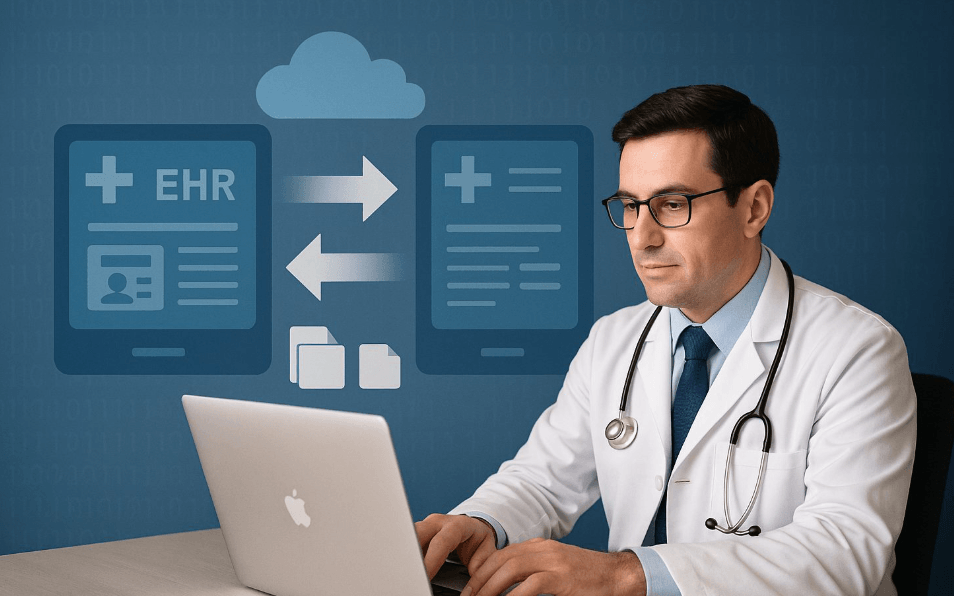
When a behavioral health EHR and healthcare CRM system work together, the workflow becomes much more natural.
A patient inquiry comes in and is logged in the CRM. Once the patient books an appointment, their information flows directly into the EHR. After the session, follow-ups and reminders are handled automatically, based on what was documented during care.
No duplication. No guessing. Just a smoother process from start to finish.
This is the kind of setup platforms like Opus EHR are designed to support—bringing clinical and communication tools into one place.
The Everyday Benefits (That Actually Matter)
You won’t always notice the impact immediately in reports or dashboards—but you will feel it during the workday.
Less back-and-forth
Staff don’t need to jump between systems to find information or update records.
Better conversations with patients
When someone calls or messages, you already have their history and context in front of you.
More reliable follow-ups
Reminders and check-ins happen automatically, instead of depending on someone to remember.
Cleaner workflows
Each step—from inquiry to treatment to follow-up—flows logically into the next.
Why This Is Especially Important in Behavioral Health
Behavioral health is built on trust and consistency. Patients often need ongoing care, and even small communication gaps can affect engagement.
When systems are connected:
- Patients get timely responses
- Appointments are easier to manage
- Communication feels more personal and less transactional
That consistency helps patients stay committed to their care, which ultimately leads to better outcomes.
Choosing the Right Approach
Not every solution will fit every practice. Some clinics prefer lightweight systems, while others need more advanced features. The key is finding a setup where EHR and CRM functions don’t feel like separate tools.
Instead, they should feel like part of the same workflow.
That’s why many providers look for platforms like Opus EHR, which are built specifically for behavioral health rather than adapted from general healthcare software.
Final Thought
The idea behind combining a behavioral health EHR and healthcare CRM system isn’t complicated. It’s about reducing the small inefficiencies that add up over time.
When patient care and patient communication live in the same system, things simply run better. Staff spend less time managing tools and more time focusing on people—which is exactly where their attention should be.