
Why Home Organisation Matters More Today
Most homes are not truly messy anymore. They are just busy all the time.
Something is always waiting. A pile of clothes on the chair that was supposed to be folded yesterday. Water bottles sitting in random rooms. School papers somehow multiplying on the counter. Chargers disappearing like they grew legs overnight. And the strange part is, even after cleaning, the house can still feel overwhelming.
That feeling has become more common over the last few years. Homes are no longer only places where people relax at the end of the day. They have turned into workspaces, classrooms, storage areas, meeting rooms, and sometimes all of that at once before lunchtime. Because of that, people are thinking about organisation differently now.
The National Association of Productivity and Organizing Professionals has linked organised spaces to lower stress and better focus. Still, most people do not really need a study to tell them that. Walking into a room that feels calm after a mentally exhausting day hits differently.
Organising Around Real Life
One thing that quietly changed in many households is the idea that everything has to be hidden away neatly all the time. That sounds good online. It rarely works in actual family homes.
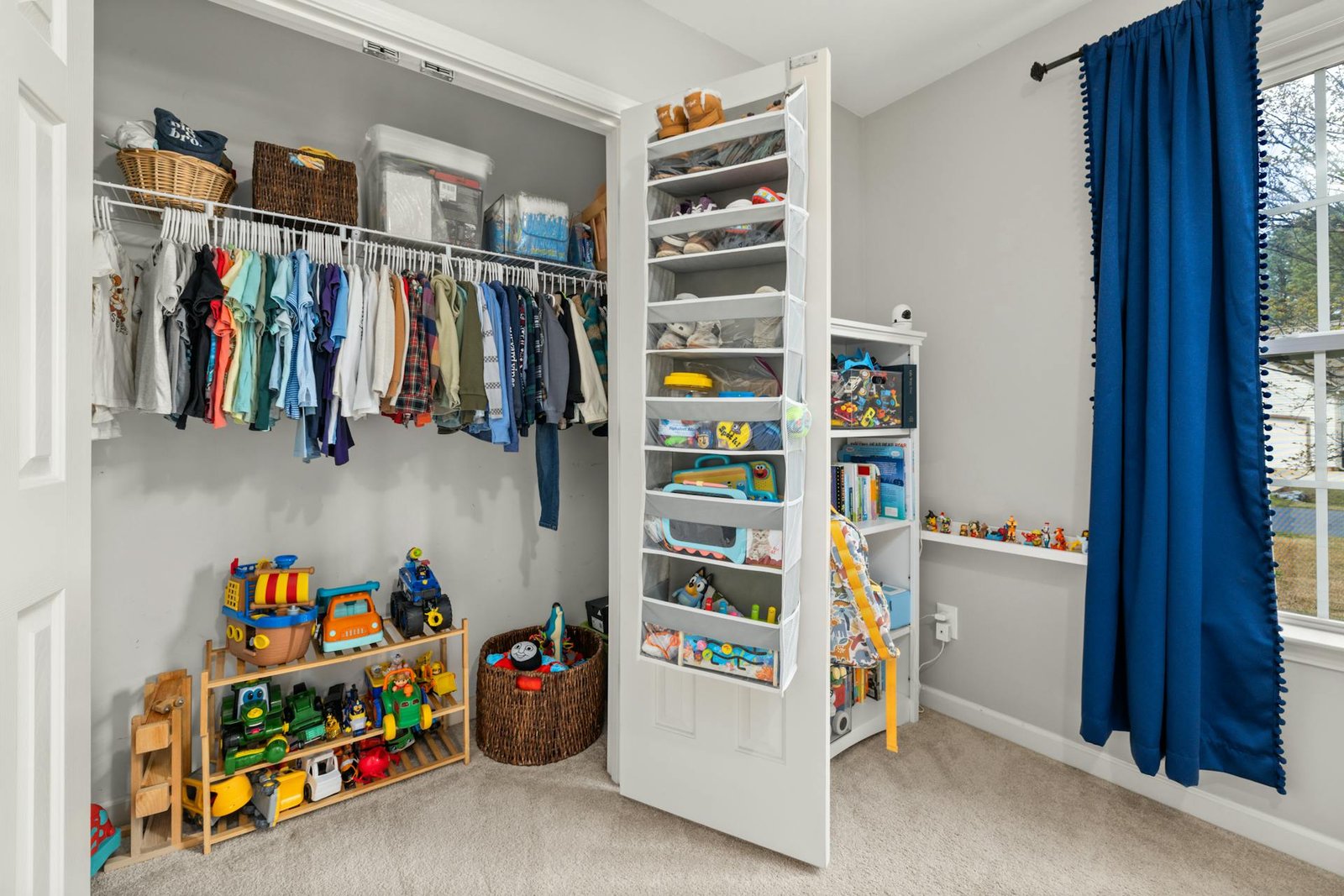
Now people are organising around habits instead. Things stay where they naturally get used. Shoes near the entrance. Chargers together in one spot instead of scattered across the house. Bags hanging near the door because that is where they get dropped anyway. It sounds simple because it is simple. But small adjustments like that remove a surprising amount of daily frustration. Especially during rushed mornings when everyone is trying to leave the house at the same time.
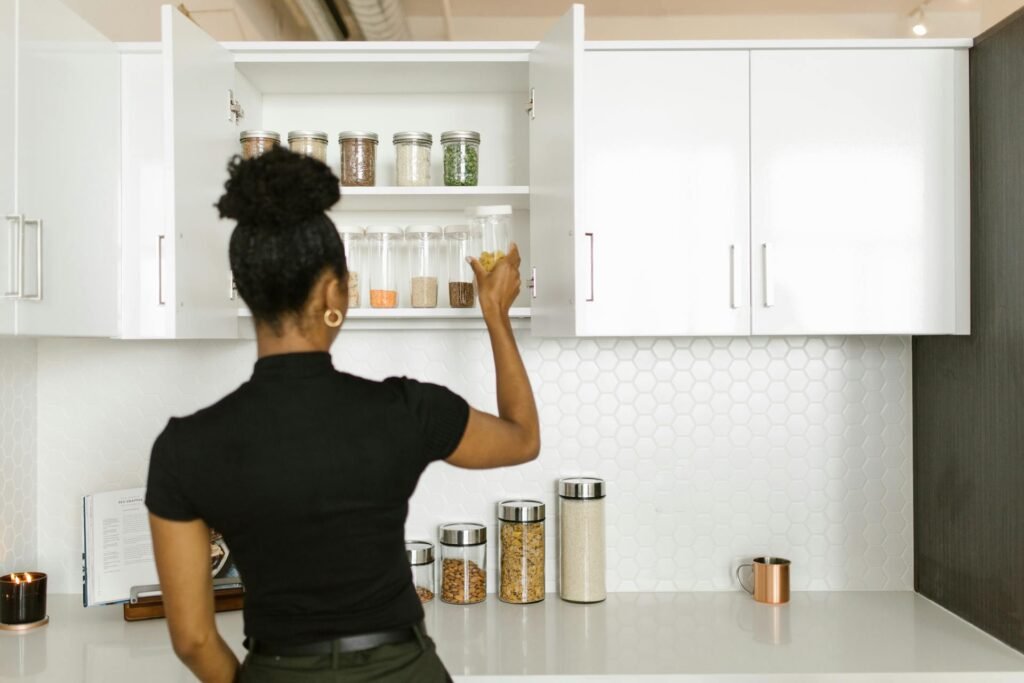
Kitchens are another good example. Most people are not buying clear containers because they suddenly became obsessed with aesthetics. They are buying them because digging through overcrowded cabinets after work gets annoying very quickly.
Even tiny changes help more than expected. A basket for random items. Hooks for keys. A tray for unopened mail instead of letting papers slowly spread across every surface in the house. All of it just makes life slightly easier.
See also: Smart Thermostats: Enhancing Home Heating Efficiency
Digital Clutter Feels Exhausting Too
A lot of stress at home is not physical anymore. Sometimes the room itself looks completely fine, but mentally everything still feels messy. Missed reminders. Grocery lists saved in three different apps. Overlapping schedules. Unread messages. Forgotten appointments. That mental clutter builds up quietly.
Shared calendars and reminder apps have become normal, partly because families are juggling too much information at once. Some people even use voice assistants for basic reminders simply because remembering every little thing manually becomes exhausting after a while.
Harvard Business Review has written about decision fatigue and how constant small choices slowly drain mental energy throughout the day.
Perfect Organisation Usually Fails Fast
A lot of organisation content online looks amazing for about six minutes. Perfect labels. Matching containers. Colour-coded shelves that nobody touches. Then real life happens. Children pull things out. Laundry piles up again. Somebody leaves dishes in the sink. Pets drag toys into the hallway. Suddenly the “perfect system” becomes impossible to maintain.
That is why simpler setups usually survive longer. Open baskets. Storage benches. Clear bins. Furniture that hides clutter quickly without needing extra effort. Those systems work because they fit normal routines instead of fighting them. Because realistically, if organising something becomes complicated, most people stop doing it within a week.
Smaller homes especially need storage that feels practical instead of decorative. Beds with drawers underneath or benches with hidden compartments help reduce clutter without making rooms feel crowded.
Pet Spaces Are Becoming Part of Home Design
Pets are influencing home layouts more than people probably expected a few years ago. Now it is common to see feeding stations built into kitchens, small storage areas for pet supplies, or designated corners for toys and blankets.
That shift also changed how people store everyday essentials. Many households buy larger quantities of items now just to avoid extra trips during busy weeks. Pantry products, paper towels, cleaning supplies, and pet essentials like wholesale dog food often need proper storage space, or they slowly start taking over the house. And honestly, pet items create clutter faster than people expect. Bags, containers, toys, treats, bowls. Without some kind of system, everything ends up scattered around different rooms.
Too Much Visual Clutter Drains Energy
A house does not need to be dirty to feel stressful. Sometimes it is just visually loud. Counters full of random things. Wires everywhere. Shelves packed with items nobody notices anymore. Chairs turning into clothing storage. It all adds to this low-level background stress that people stop noticing until the space finally gets cleaned properly.
That is probably one reason calmer layouts became more popular recently. Not because everybody suddenly wants a minimalist house. Most people just want less visual noise after already dealing with nonstop information all day.
Even small changes help immediately. Clearing one counter. Hiding cables. Getting rid of things nobody actually uses anymore. Rooms start feeling lighter almost instantly.
Utility Areas Matter More Now
Laundry rooms used to be treated like forgotten corners of the house. Now people are trying to make them actually functional.
Simple things help more than expected. Divided hampers. Small shelves. Hooks on walls. Labelled baskets. All of such repetitive chores feel less frustrating when the space itself works better.
The same thing is happening with home offices. A lot of people still work remotely at least part of the week, so separating “work space” from “living space” became important mentally. Even a small desk in the corner feels better when it has some structure around it. Otherwise work slowly spreads into every room in the house.
Smart Technology and More Practical Habits
Smart home tools are becoming normal quietly. Automatic reminders. Shared grocery lists. Smart labels. Small systems that reduce the need to constantly remember everything manually. At the same time, many families are trying to own less unnecessary stuff overall. People are realising that clutter does not only take up physical space. It also creates extra work. More things to move around. More things to organise. More things to clean.
That is why reusable storage products and better planning are replacing impulsive purchases in many households.
Final Thoughts
Most families are not trying to create homes that look like social media posts. They just want homes that feel calmer to walk into at the end of the day. Usually, that comes from smaller changes, not massive renovations.
Life happens too fast for perfection. A proper place for keys. Less crowded counters. Storage that actually matches daily habits instead of looking good for photos. And honestly, no busy home stays perfectly organised all the time. That expectation alone probably stresses people out more than the mess itself.