
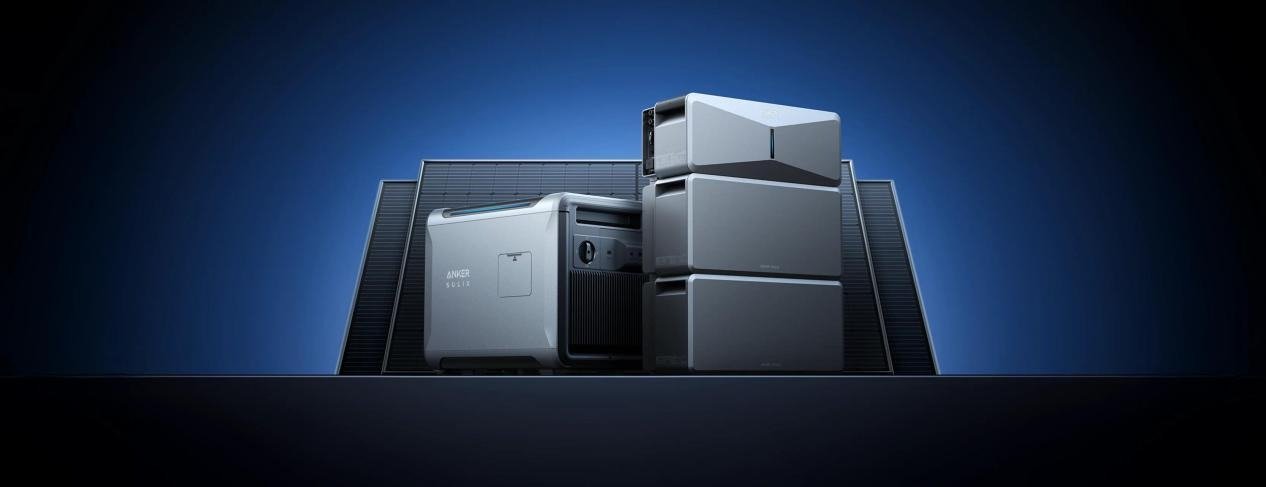

Reliable power keeps daily home life running—from preserving food to maintaining internet and security. Even short outages can lead to inconvenience, cost, or safety risks. Modern battery backup systems offer a quiet, clean alternative to fuel generators. With improved energy storage, smart controls, and solar compatibility, they’ve become more efficient and practical for everyday use. Different solutions suit different homes and energy needs. In this article, we break down the most effective backup battery options to help you make a practical, informed choice for your household.
1. Whole-House Battery Systems
Seamless backup for essential circuits or entire home
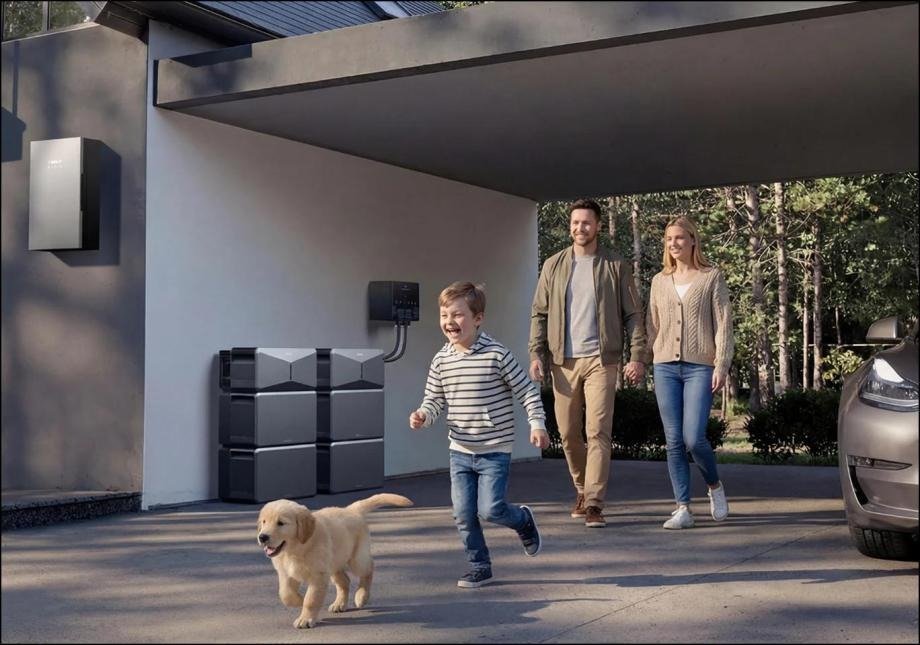
Whole-house battery systems connect directly to a home’s electrical panel and automatically provide power when the grid goes down. Essential circuits such as refrigeration, lighting, internet equipment, and medical devices can remain active without manual setup. When combined with rooftop solar, these systems can store daytime energy for use at night or during outages, increasing energy independence. Solutions like the Anker SOLIX E10 backup battery for home are designed to coordinate battery storage with solar input and household demand, helping large appliances start smoothly while maintaining stable output. This integrated approach supports both everyday energy management and emergency preparedness. Proper system sizing ensures comfort and safety are maintained without overloading the battery.
Integrates with solar and smart home systems
Whole-house batteries often work together with solar panels and home energy management systems. Solar energy can be used immediately for household needs while excess production is stored for later. Smart controls monitor usage patterns and can prioritize critical loads when stored energy runs low. Homeowners can view performance data through monitoring apps that display charging and discharging activity. This visibility makes it easier to adjust consumption habits during extended outages. Integrated systems create a more efficient and resilient home energy setup.
2. Solar-Ready Portable Power Stations
Flexible, movable power for critical devices and rooms
Portable power stations provide a convenient solution for households that need backup power in specific areas rather than throughout the entire home. These compact units can be moved between rooms to support lighting, routers, fans, or small kitchen appliances. This flexibility is especially useful in apartments, dorms, or rental homes where permanent installations are not possible. During an outage, one unit might keep communication devices running while another powers lights in a living space. No installation is required, allowing immediate use right out of the box. Their adaptability makes them practical for both emergencies and everyday use.
Can be charged via solar panels for off-grid resilience
Many portable power stations can recharge using compatible solar panels. This allows energy to be restored even when grid power is unavailable for extended periods. Panels can be placed on balconies, patios, or near windows to capture sunlight during the day. Even partial sunlight can contribute meaningful charging over time. This renewable option reduces reliance on wall outlets and supports longer backup duration. Solar charging adds resilience and sustainability to portable systems.
3. UPS (Uninterruptible Power Supply) for Electronics
Instant protection for computers, network gear, and security systems
UPS units are designed to supply immediate power when a disruption is detected. They are commonly used to protect desktop computers, modems, routers, and home security hubs. Even a brief outage can interrupt video calls, corrupt files, or disable monitoring systems. A UPS provides enough runtime to save work, maintain connectivity, or safely shut down electronics. These devices are typically compact and easy to position under desks or near entertainment systems. Fast response makes them ideal for sensitive electronics.
Prevents data loss and hardware damage during brief outages
Sudden power loss can lead to file corruption and stress on electronic components. UPS systems smooth voltage fluctuations and provide surge protection along with battery backup. This helps shield devices from electrical spikes during storms or unstable grid conditions. Even a few minutes of steady power can prevent costly damage or data loss. For remote workers and students, this protection supports productivity and peace of mind. UPS devices serve as an important safeguard in a layered home power strategy.
See also: Innovations in Microchannel Coil Technology
4. DC-Coupled Solar Batteries
High efficiency for homes with existing or new solar panels
DC-coupled batteries connect directly to solar arrays before electricity is converted for household use. This design reduces energy loss during conversion and increases overall system efficiency. Homes installing new solar systems often consider this approach to maximize daily solar utilization. Capturing more usable energy can extend backup runtime during outages. Efficient storage also improves long-term energy value. This setup is well suited for households prioritizing solar performance.
Optimizes self-consumption and maximizes backup duration
Storing excess solar production for home use increases energy independence. Instead of sending surplus energy outward, it can be reserved for nighttime or emergency use. Smart controls can allocate a portion of stored power specifically for outages. This strategy ensures critical devices remain powered even if the grid remains down for longer periods. Efficient energy management extends backup duration without increasing system size. Maximizing self-consumption supports both resilience and cost savings.
5. Choosing the Right System for Your Home
Assess your essential load vs. desired comfort load
Choosing the right system starts with identifying which appliances must stay on during an outage. Essential loads often include refrigeration, lighting, communication equipment, and medical devices. Comfort loads such as entertainment systems or air conditioning require more stored energy. Listing these priorities helps determine the required battery capacity. This planning prevents overspending or selecting an underpowered system. Clear expectations lead to better satisfaction during real outages.
Factor in budget, existing solar, and installation requirements
Budget, available space, and current solar equipment all influence the final decision. Whole-house systems typically involve professional installation and higher upfront costs. Portable solutions are more affordable and require no electrical modifications. Homes with solar panels may benefit more from integrated battery storage than those without. Installation complexity and maintenance needs should be considered alongside expected outage duration. Careful evaluation ensures the selected system fits both household needs and financial comfort.
Conclusion
Modern battery backup technologies provide flexible and reliable ways to keep homes powered during outages. From whole-house systems to portable units and UPS devices, each solution serves a different level of energy demand. Solar compatibility further strengthens resilience by enabling recharging without grid electricity. Understanding energy priorities helps households choose systems that protect safety, communication, and food storage. Thoughtful planning leads to better performance and long-term satisfaction. Reliable backup power has become an increasingly practical part of modern home preparedness.